
Vancouver Slip and Fall Accident Lawyer
A slip and fall can cause serious injuries, medical bills, missed work, and long term pain. If unsafe property conditions caused your fall in Vancouver or Clark County, VanWa Legal PLLC can help you pursue compensation.

Serving Vancouver and Southwest Washington
$1.15M wrongful death settlement
No fee unless we win
Attorney led representation
Injured in a Slip and Fall Accident in Vancouver, WA?
A fall can happen in seconds, but the injuries and recovery often last far longer. Broken bones, head injuries, and torn ligaments are common even from a fall that looks minor from the outside.
Insurance companies frequently treat slip and fall claims as minor injuries by default, and property owners often deny they had any way of knowing about the hazard that caused your fall. That is exactly why photos, an incident report, and witness accounts matter so much, evidence like this tends to disappear quickly once a hazard gets cleaned up or repaired.
A slip and fall is a form of premises liability, which means the case turns on what the property owner knew and did about a hazard, not just on the fact that you fell. Winning requires showing the owner created the danger, or knew about it and failed to fix or warn of it in a reasonable time. That is a higher bar than many people expect, and it is met with evidence rather than argument.
VanWa Legal PLLC represents injured people across Vancouver and Clark County, and we move quickly to secure the evidence a fair claim depends on.

Common Causes
Common Causes of Slip and Fall Accidents

Wet or Slippery Floors
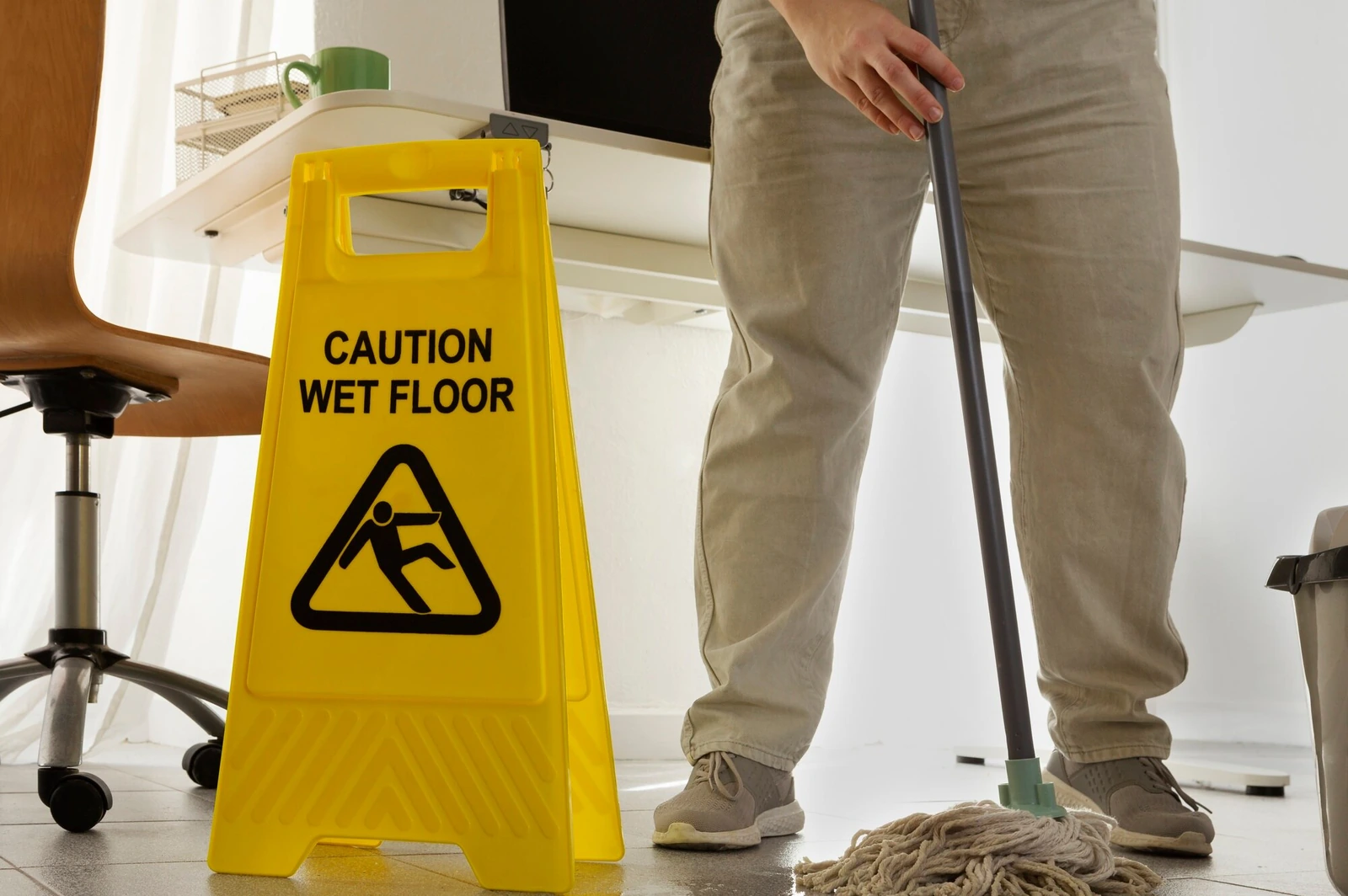
A freshly mopped or recently cleaned floor without a warning sign creates a hazard property owners have a duty to address.

Spills in Stores or Restaurants
An unattended spill left too long before cleanup is one of the most common causes of a preventable fall.

Icy Walkways
Failing to clear or treat ice on a sidewalk or entrance leaves visitors at serious risk during Washington's wetter months.

Poor Lighting
Dim or broken lighting can hide a hazard that would otherwise be easy to avoid.

Uneven Flooring
Cracked tile, sudden elevation changes, or damaged flooring can catch a visitor off guard with little warning.

Torn Carpet or Loose Mats
A torn carpet edge or an unsecured floor mat can create a trip hazard that is easy for a property to prevent.

Broken Stairs or Handrails
Damaged steps or a handrail that fails to hold weight can turn an ordinary staircase into a serious fall risk.

Cluttered Walkways
Boxes, cords, or merchandise left in a walkway create an avoidable hazard for anyone passing through.

Parking Lot Hazards
Potholes, cracked pavement, and poor lighting in a parking lot cause falls property owners are responsible for maintaining against.

Where it happens
Where Slip and Fall Accidents Happen
A fall can become a claim almost anywhere a property owner or business failed to keep a space reasonably safe, including:
- Grocery stores
- Retail stores
- Restaurants
- Apartment buildings
- Parking lots
- Sidewalks
- Hotels
- Office buildings
- Private homes
- Public spaces

How to Prove a Claim
How to Prove a Slip and Fall Claim
A slip and fall claim generally requires showing that a dangerous condition existed, that the property owner knew about it or reasonably should have, and that the owner failed to fix it or warn visitors. It also requires showing that this specific condition caused your fall, and that real injuries and damages resulted from it.
Each of these elements needs supporting evidence, which is why the steps you take right after a fall matter so much to the strength of your claim.
The notice element is usually the hardest fought. A hazard the owner created, or one that sat long enough that staff should have found it on a reasonable inspection schedule, supports a claim, while a spill that appeared seconds before your fall is far harder. Cleaning logs, surveillance timestamps, and prior complaints are what turn that question from a guess into a provable fact, which is why securing them before they are overwritten is often the single most important step in a fall case.
Washington treats this as the notice requirement, and it usually turns on time. If a hazard existed long enough that a reasonable inspection would have caught it, the owner is treated as though they knew about it, even if no one actually reported it. Establishing how long a spill or hazard was present, often through timestamps and cleaning records, is therefore the heart of most fall cases, and it happens to be exactly the evidence a property owner controls and may not preserve unless someone requires them to.

Evidence Needed
Evidence That Can Strengthen a Slip and Fall Case
Because these claims are usually paid through a business or property owner’s insurance, and because the hazard is often gone within minutes, fast, thorough documentation is decisive. The evidence that matters most includes:
- Photos of the hazard
- Video surveillance
- Incident report
- Witness statements
- Medical records
- Shoes worn at the time of the fall
- Maintenance logs
- Prior complaints about the same hazard
- Weather records, if relevant
- Store cleaning schedule
Common Injuries
Common Slip and Fall Injuries
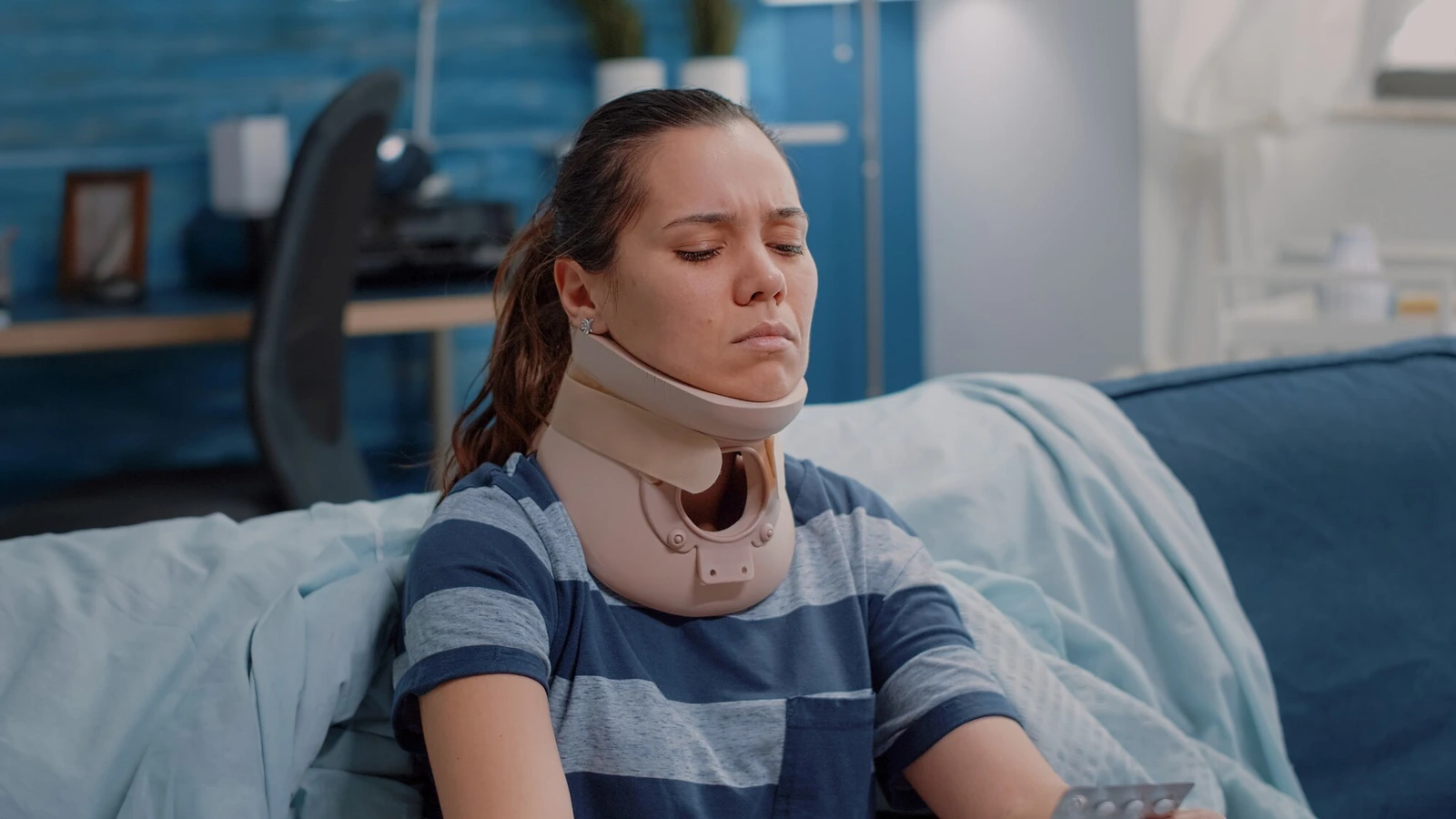
Falls are often dismissed as minor, but the injuries can be serious and lasting, especially for older adults. Common slip and fall injuries include:
- Broken wrists, arms, ankles, and hips
- Brain injuries and concussions
- Spinal injuries
- Herniated discs
- Neck and back injuries
- Knee and shoulder injuries
- Soft tissue injuries
- Cuts and scarring
- Wrongful death, in the most severe cases
What If the Property Owner Blames You?
Property owners often argue a hazard was "open and obvious," that your footwear was the real problem, or that you simply were not paying attention. Washington's comparative fault rule means a claim of shared fault does not eliminate your right to compensation, though it can reduce it by your percentage of fault.
Photos of the hazard, maintenance records, and witness statements often speak louder than an owner's account after the fact. Evidence, not assumptions, is what should decide a claim like this.
The status of the visitor matters too. A customer in a store is owed a higher duty of care than an uninvited guest, and most fall claims involve people who were exactly where they had every right to be. An owner who leans on an open-and-obvious argument still had a duty to keep the space reasonably safe, and whether a hazard was truly obvious is a fact question that evidence, not the owner's say-so, is what decides.
Compensation
Compensation After a Slip and Fall Accident
- Medical bills
- Emergency care
- Surgery
- Physical therapy
- Lost wages
- Future medical care
- Pain and suffering
- Permanent disability
- Out of pocket expenses

*The compensation available depends on the facts of your case,


What to Do After
What to Do After a Slip and Fall
- Report the fall immediately to the property owner or manager
- Ask for a copy of the incident report
- Take photos of the hazard before it gets cleaned up
- Get names and contact information from any witnesses
- Seek medical attention, even if you feel fine
- Keep the shoes and clothing you were wearing
- Avoid giving a recorded statement to any insurance company
- Contact a slip and fall lawyer as soon as possible
FAQ
Frequently Asked Questions About Slip and Fall Claims
You generally need to show a dangerous condition existed, the owner knew or should have known about it, and that it directly caused your fall and injuries. The knew-or-should-have-known element is usually the hardest fought, and it most often turns on how long the hazard was present before your fall.
Got some more questions? Send us a message at contact@vanwalegal.com

Contact us
Contact a Vancouver Slip and Fall Lawyer
If you were hurt in a fall caused by unsafe property conditions, you do not have to prove what the owner knew on your own. Talk to an attorney about your case at no cost, and pay nothing unless we win.