Uninsured and Underinsured Motorist Claims in Washington
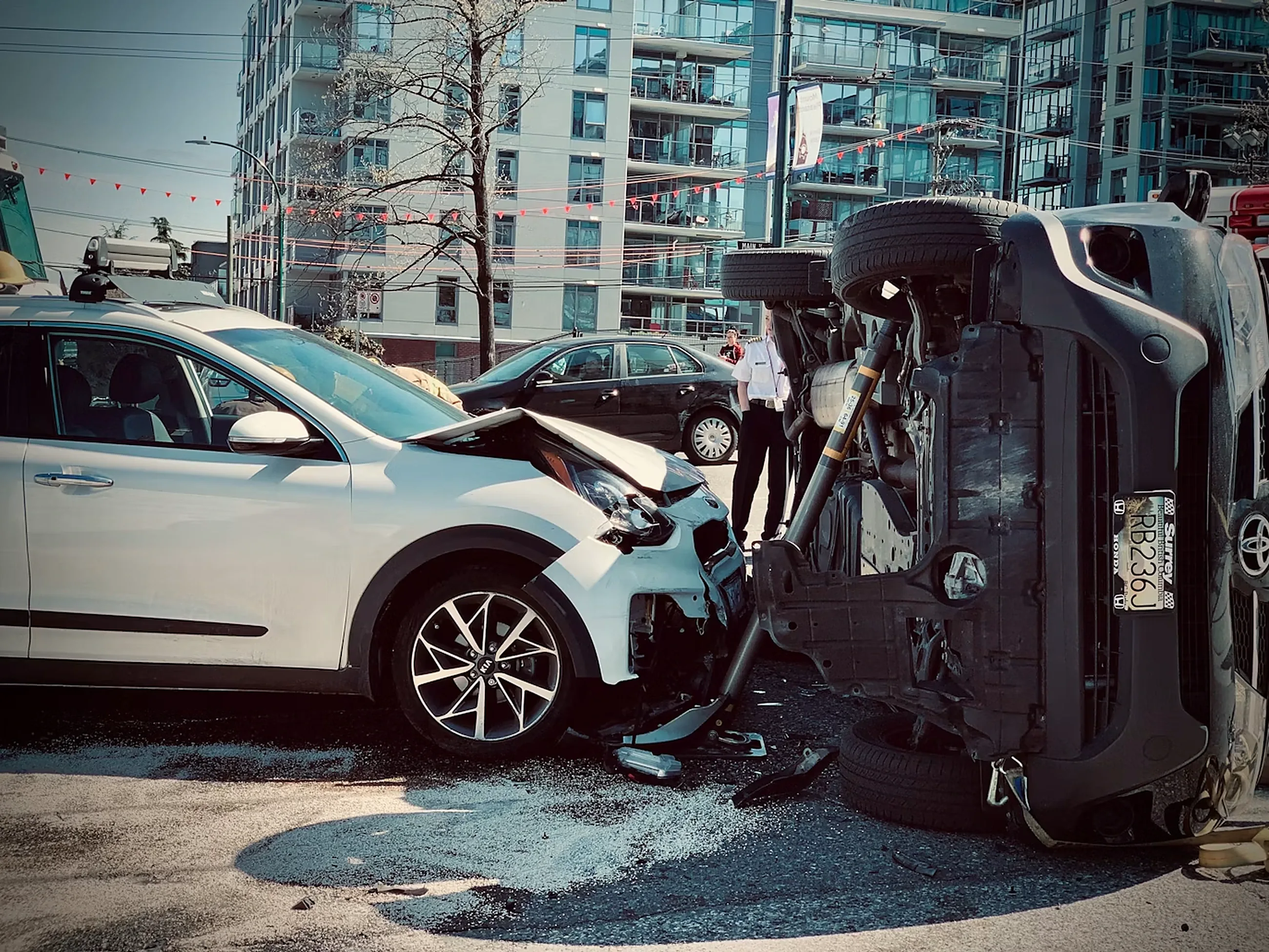
If the driver who injured you had no insurance, too little insurance, or fled the scene, your own insurance policy may provide coverage. VanWa Legal PLLC helps accident victims in Vancouver and Clark County pursue uninsured and underinsured motorist claims.

Serving Vancouver and Southwest Washington
$1.15M wrongful death settlement
No fee unless we win
Attorney led representation
What Is an Uninsured or Underinsured Motorist Claim?
Uninsured motorist coverage, often called UM, applies when the driver who caused your accident has no insurance at all. Underinsured motorist coverage, or UIM, applies when that driver has insurance, but not enough to cover the full extent of your injuries.
Hit and run cases often fall under uninsured motorist coverage as well, since an unidentified driver cannot be pursued directly. These claims are typically made through your own insurance policy rather than the at fault driver's, and exactly what applies depends on the specific terms of what you carry.
This coverage exists because too many drivers on the road carry no insurance, or only the state minimum, and a serious car accident can cost far more than a minimum policy will ever pay. UM and UIM are the parts of your own policy that were designed for exactly that situation, so that an injury caused by someone else's failure to carry adequate insurance does not become a financial burden you are left to absorb alone.
When UM/UIM Coverage May Apply
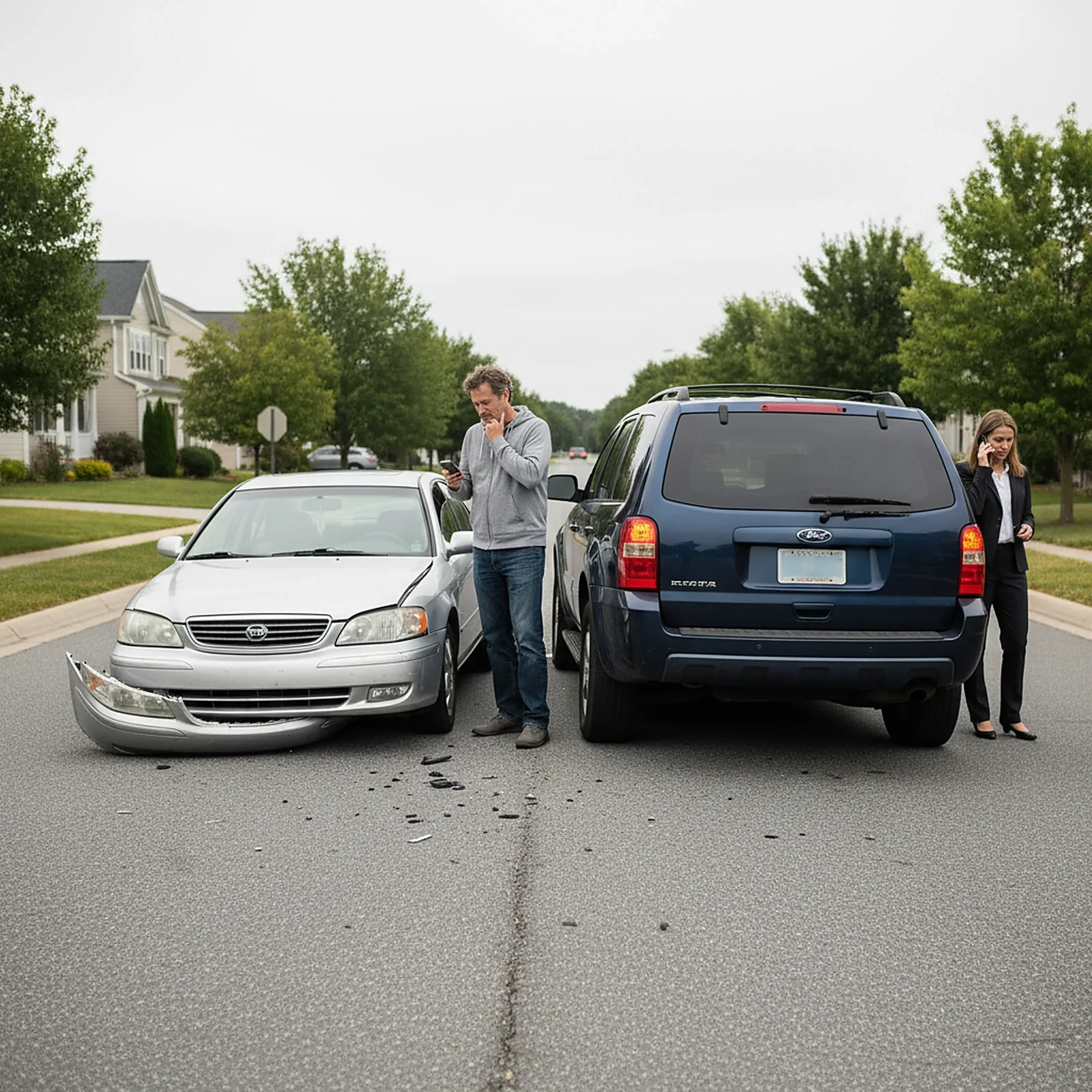
UM and UIM coverage can come into play in a wide range of accidents, and it often becomes the deciding factor in whether a seriously injured person is actually made whole. Common situations where this coverage may apply include:
- The at fault driver has no insurance
- The at fault driver carries only state minimum limits
- Serious injuries exceed the insurance available
- The accident was a hit and run
- A pedestrian was hit by an uninsured driver
- A cyclist was hit by an uninsured driver
- A motorcyclist was hit by an underinsured driver
- A drunk driving accident involved a driver with low policy limits

Why Underinsured Motorist Coverage Matters
Washington's minimum liability insurance requirements are often far lower than what a serious injury actually costs. Medical bills, lost wages, and long term care needs can easily exceed what a minimum policy was ever designed to cover.
This gap becomes especially significant in catastrophic injury and wrongful death cases, where damages routinely reach well beyond a standard policy's limits. UIM coverage exists specifically to close that gap, and identifying it early is often one of the most important steps in a serious injury claim.
Consider a common example: a driver with the state minimum in liability coverage causes a crash that leaves you with a surgery, months of rehabilitation, and time away from work that together cost several times that limit. Once the at fault driver's policy is exhausted, your recovery would simply stop there without UIM. With it, your own coverage can be pursued for the remainder, up to the limits you carry, which is why reviewing exactly how much UIM protection you have is worth doing before you ever need it.


What If the Driver Fled the Scene?
A hit and run leaves you without a driver to pursue directly, which is exactly where uninsured motorist coverage often comes in. A police report is essential here, along with any witness accounts, nearby camera footage, or even a partial vehicle description that could help identify the driver later.
Notify your insurer promptly after a hit and run, since delays in reporting can complicate a UM claim even when the underlying facts are strong.
Because the at fault driver is unknown, a hit and run UM claim puts extra weight on the physical evidence and on prompt reporting. Some policies require notice within a short window and may ask for corroboration that another vehicle was involved, such as a witness account or physical contact between the vehicles. Meeting those requirements early is frequently what keeps a legitimate hit and run claim from being denied on a technicality rather than on its actual merits.
Your Own Insurance Company Is Still an Insurance Company
A UM or UIM claim is filed against your own policy, but that does not mean your insurer is automatically on your side. They can still dispute fault, question the severity of your injuries, or push back on the value of your claim, the same tactics used by any other insurer.
Recorded statements and medical authorization requests should be handled carefully, even when the company involved is your own. Being your policyholder does not exempt them from acting in their own financial interest.
There is also an important trap to avoid before a UIM claim is even filed. Accepting the at fault driver's liability limits without your own insurer's consent can, under many policies, wipe out your right to pursue UIM at all. That is why you should never sign a release with the other driver's insurer, however reasonable the offer looks, until your UIM rights have been reviewed and, where required, your own insurer has been given the chance to consent.

Evidence Needed for a UM/UIM Claim
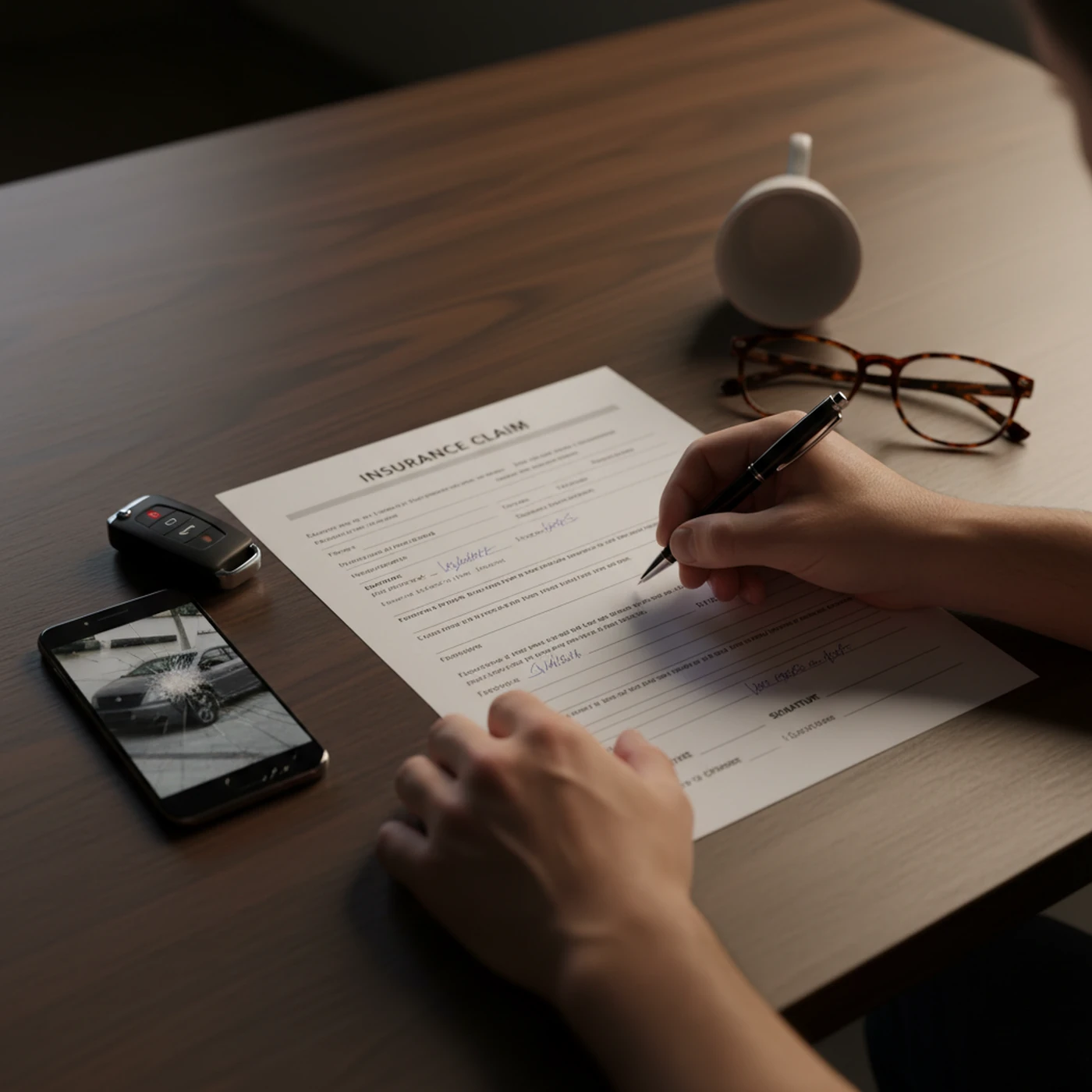
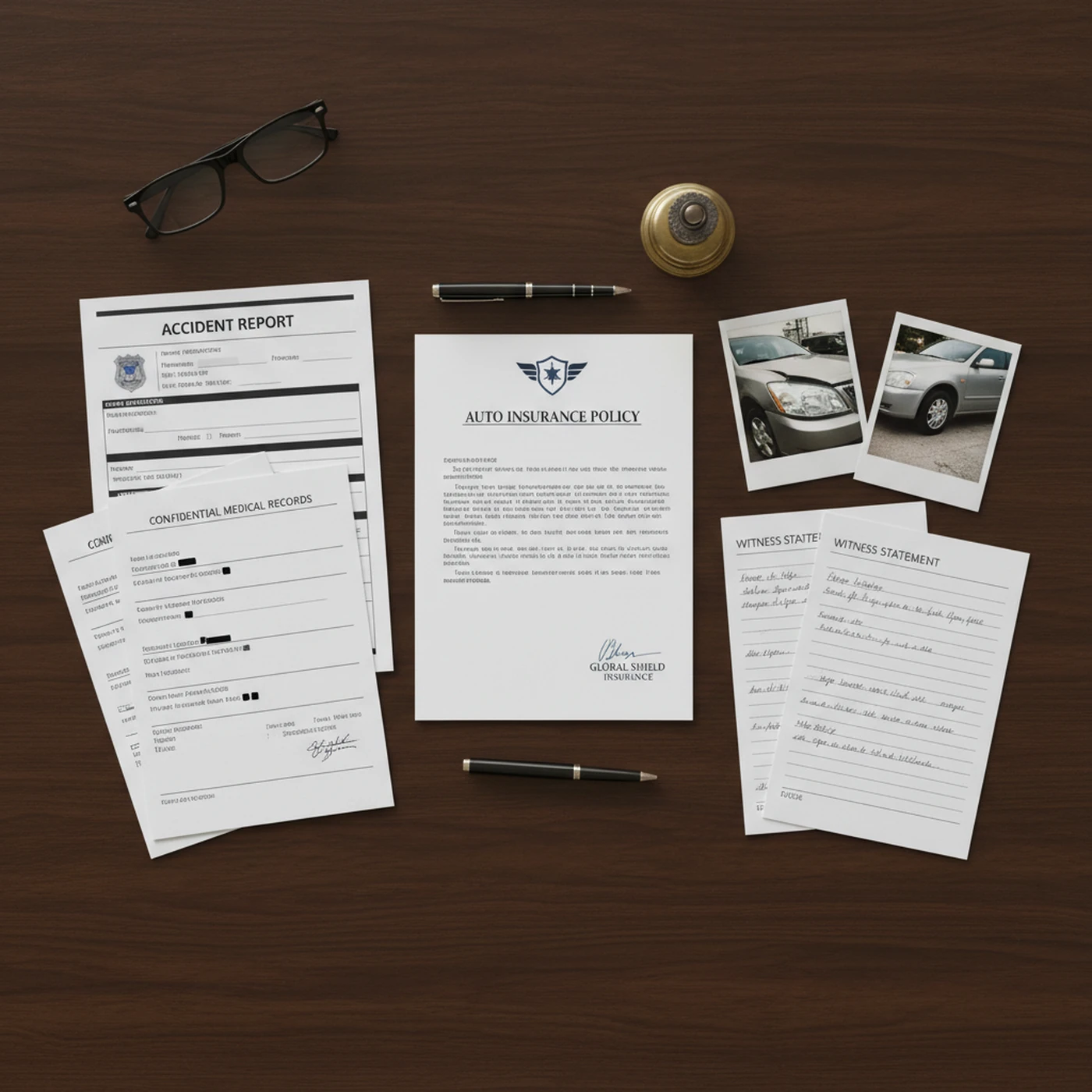
Even though a UM/UIM claim is made through your own insurer, it still has to be proven like any other injury claim, and the same kinds of evidence carry the weight. The documentation that matters most includes:
- Police report
- Insurance policy
- Declarations page
- At fault driver's insurance information, if known
- Medical records
- Photos and videos
- Witness statements
- Proof of damages
- Correspondence with insurers
- Hit and run evidence, if applicable
UM/UIM and Other Insurance Coverage
A UM or UIM claim rarely stands alone. Your PIP coverage often pays medical bills first, while health insurance may cover additional treatment costs, sometimes with a lien on your eventual settlement. The at fault driver's own liability insurance, however limited, is typically pursued alongside your UIM claim rather than instead of it.
In some cases, umbrella or excess coverage, or stacking multiple policies where your specific policy allows it, can extend your available coverage further. Subrogation and reimbursement issues can also come into play once multiple policies are involved, which is part of why a full review of every insurance claim and policy matters before any single one is settled. Settling one policy in isolation can quietly reduce or eliminate what another would otherwise have paid, and once a release is signed that decision is rarely reversible.

Common UM/UIM Mistakes to Avoid
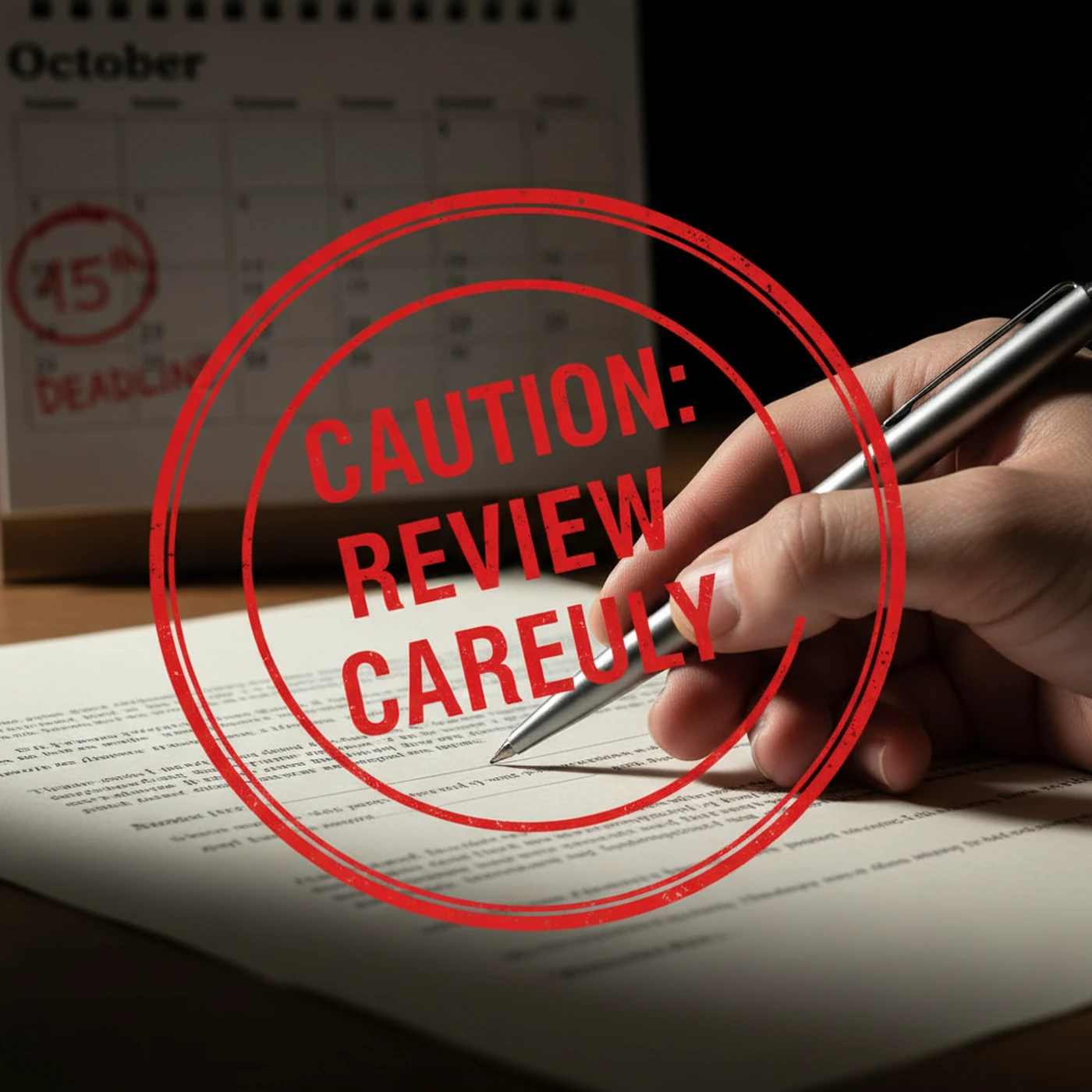
- Assuming there is no coverage without checking
- Missing insurer notice deadlines
- Settling with the at fault driver's insurer before reviewing your UIM rights
- Signing releases too early
- Giving broad recorded statements
- Failing to review other household policies that may extend coverage
FAQ
Frequently Asked Questions About UM/UIM Claims
Your own uninsured motorist coverage, if you carry it, may be able to cover your losses when the at fault driver has no insurance at all.
Got some more questions? Send us a message at contact@vanwalegal.com

Contact us
Contact a Vancouver UM/UIM Claim Lawyer
If the driver who hurt you had no insurance, too little insurance, or fled the scene, you do not have to sort out your coverage alone. Talk to an attorney about your case at no cost, and pay nothing unless we win.