
Insurance Claims After an Accident in Washington
After an accident, more than one insurance policy may affect your recovery. VanWa Legal PLLC helps injured people in Vancouver and Clark County understand available coverage, deal with adjusters, and pursue compensation after serious injuries.

Serving Vancouver and Southwest Washington
$1.15M wrongful death settlement
No fee unless we win
Attorney led representation
Understanding Insurance Claims After an Accident
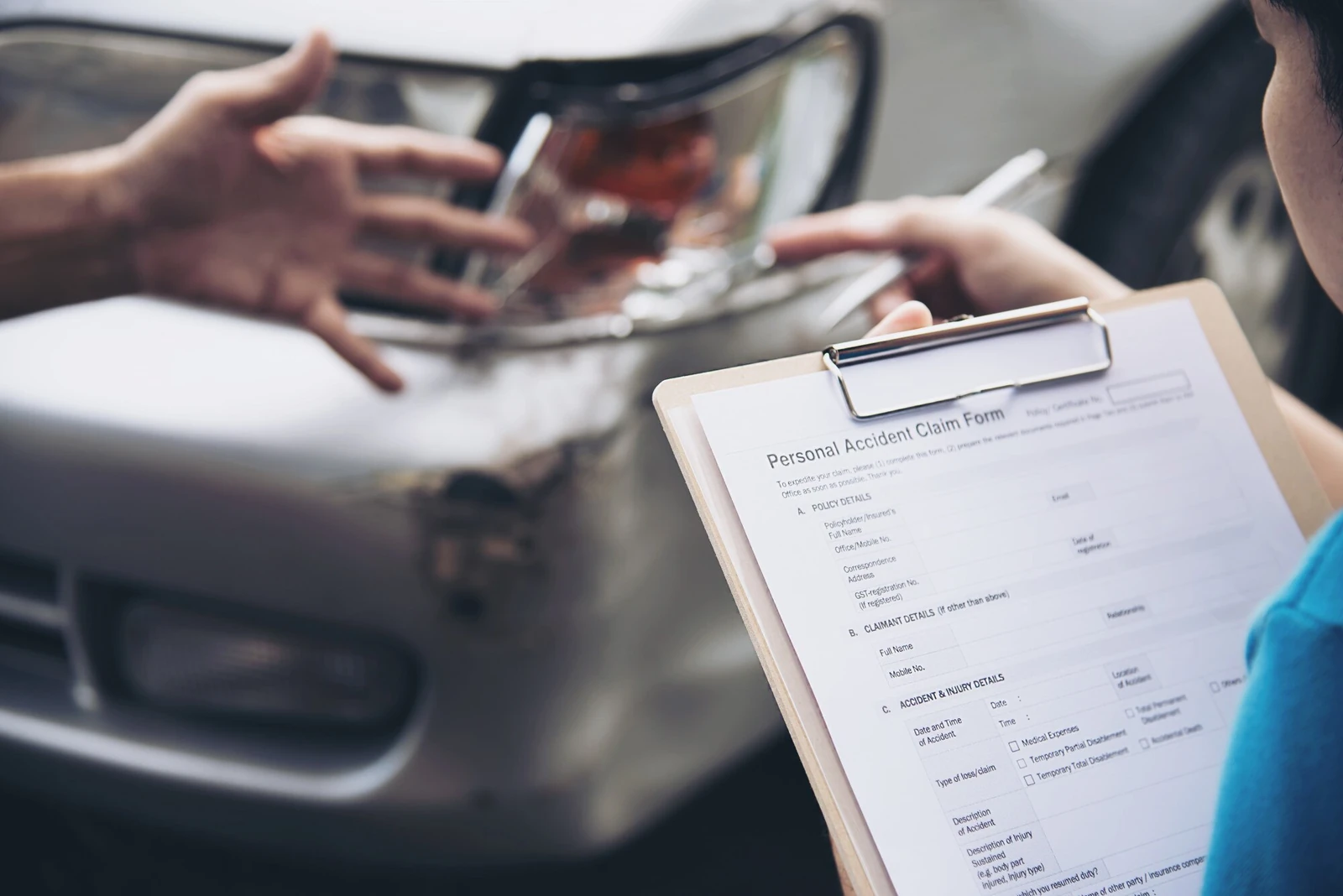
Filing an insurance claim after an injury is rarely as simple as it sounds. More than one policy can apply depending on how the accident happened, and it is common for insurance companies to delay, deny, or undervalue a claim before you fully understand what you are owed.
Settling early is one of the biggest risks in this process. An offer that arrives quickly is often designed to close your case before the full extent of your injuries, or the full scope of available coverage, is clear. Serious injuries in particular call for a complete review of every policy that might apply, not just the first one an adjuster mentions.
Part of what makes these claims difficult is that the policies do not line up neatly. One may pay medical bills as you go, another only at the end, and a third may seek reimbursement out of your eventual settlement. Understanding how they interact, and in what order they pay, is often what separates a full recovery from one that quietly leaks away to liens and reimbursement claims you never saw coming.
Which Insurance Pays
Which Insurance Pays After an Accident?

At-Fault Driver Liability Insurance
The insurance carried by the person responsible for the accident, typically the primary source of recovery in most claims.
Personal Injury Protection
Your own no fault coverage, which can pay medical bills and lost wages regardless of who caused the accident.
Uninsured Motorist Coverage
Coverage that can step in when the at fault driver carries no insurance at all.
Underinsured Motorist Coverage
Coverage that can fill the gap when the at fault driver's policy is not enough to cover your losses.
Bodily Injury Coverage
The portion of a liability policy specifically dedicated to injury claims, separate from property damage coverage.
Commercial Auto Insurance
Coverage that applies when a company vehicle, delivery van, or work truck caused the crash.
Homeowner's Insurance
Coverage that can apply to dog bites and injuries that happen on private property.
Commercial Liability Insurance
Coverage carried by a business, which can apply to slip and fall or premises liability claims.
Umbrella and Excess Policies
Additional coverage that extends beyond a primary policy's limits, often relevant in serious injury cases.
Health Insurance and Medical Liens
Your own health coverage, which often pays medical bills as treatment happens and may later place a lien on your settlement.

PIP
Personal Injury Protection
Personal Injury Protection, commonly called PIP, is coverage tied to your own auto policy that pays medical bills and a portion of lost wages regardless of who caused the accident. Because it is no fault coverage, it can start helping with bills before your larger claim is resolved, which matters when treatment is ongoing and bills are piling up in the meantime. You can read more about how this benefit works, and how to find out whether you carry it, on our Personal Injury Protection page.
Uninsured Claims
Uninsured and Underinsured Motorist Claims
When the at fault driver has no insurance, too little insurance, or fled the scene entirely, your own uninsured or underinsured motorist coverage may be what actually pays your claim. This becomes especially important in serious injury cases, where the at fault driver's policy limits fall well short of what the case is genuinely worth. Our uninsured and underinsured motorist claims page explains when this coverage applies and how it fits alongside the other policies at play.

Bodily Injury Claims
A bodily injury claim is made against the at fault driver's liability coverage, and it is often where settlement negotiations happen. Policy limits shape much of that negotiation, medical bills and other damages are weighed against what the policy can actually pay, and when damages exceed those limits, other coverage sources need to be identified to make up the difference.
When the damages clearly exceed the at fault driver's limits, that policy will often tender its maximum relatively quickly. Accepting it can feel like a resolution, but it is frequently just the first layer, and signing a release too early can foreclose the underinsured motorist and other coverage that a serious claim actually depends on. The order in which these claims are handled matters as much as the amounts involved.
Commercial and Business Insurance Claims
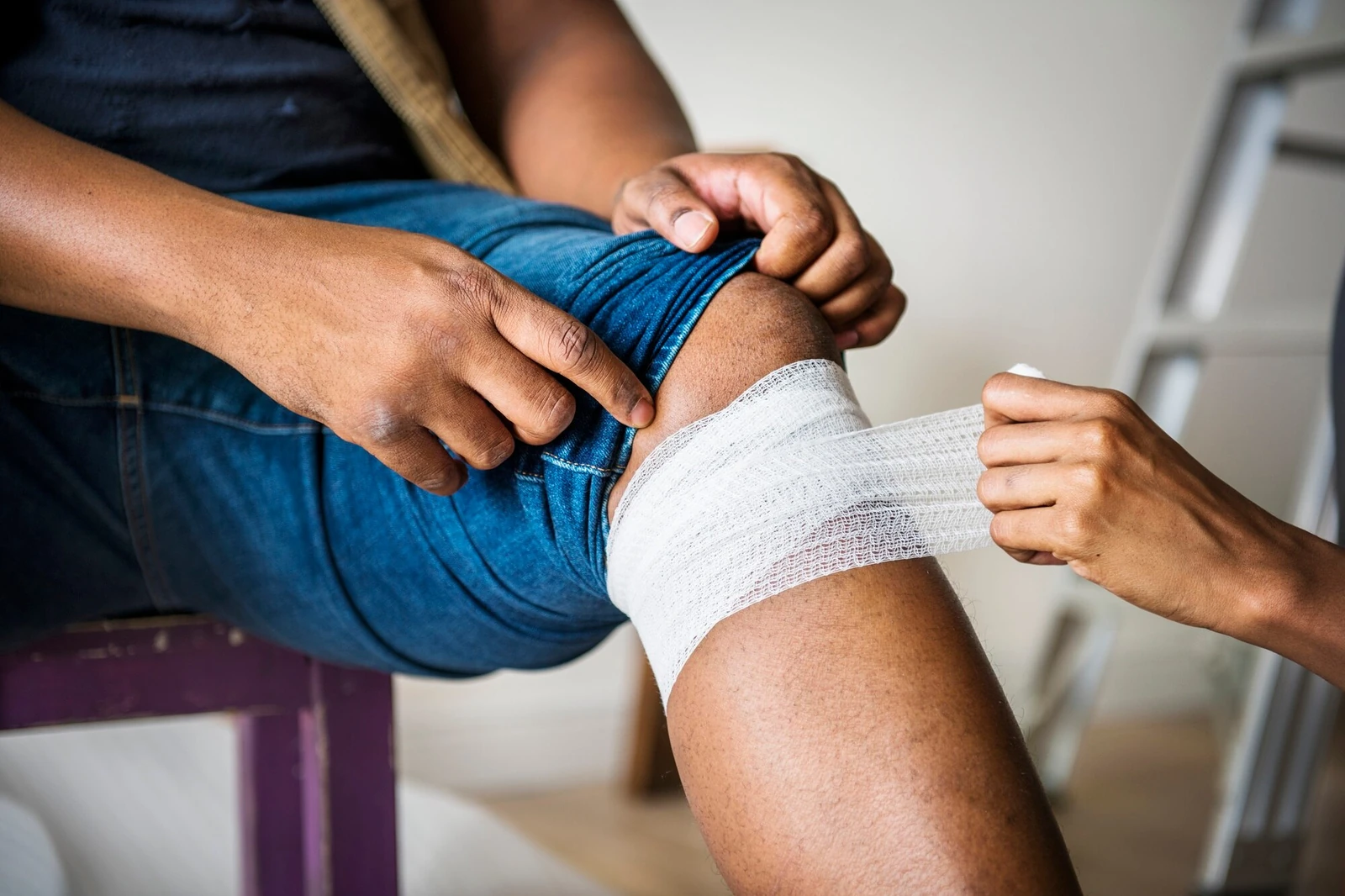
When a business or a commercial vehicle is involved, the coverage in play is usually far larger than a personal auto policy, and so is the fight over it. Truck accidents, commercial vehicle accidents, and rideshare accidents can each trigger commercial policies carried by the company behind the driver, not just the driver personally.
Business coverage also reaches beyond the road. Premises liability claims and slip and fall accidents at a store or restaurant are typically paid through commercial liability insurance, and injuries tied to overserved patrons can involve dram shop claims against a bar or venue. Because these policies are defended aggressively and often layered with excess coverage, identifying every applicable business policy early is one of the most important steps in a commercial claim.

Homeowner's Insurance Injury Claims
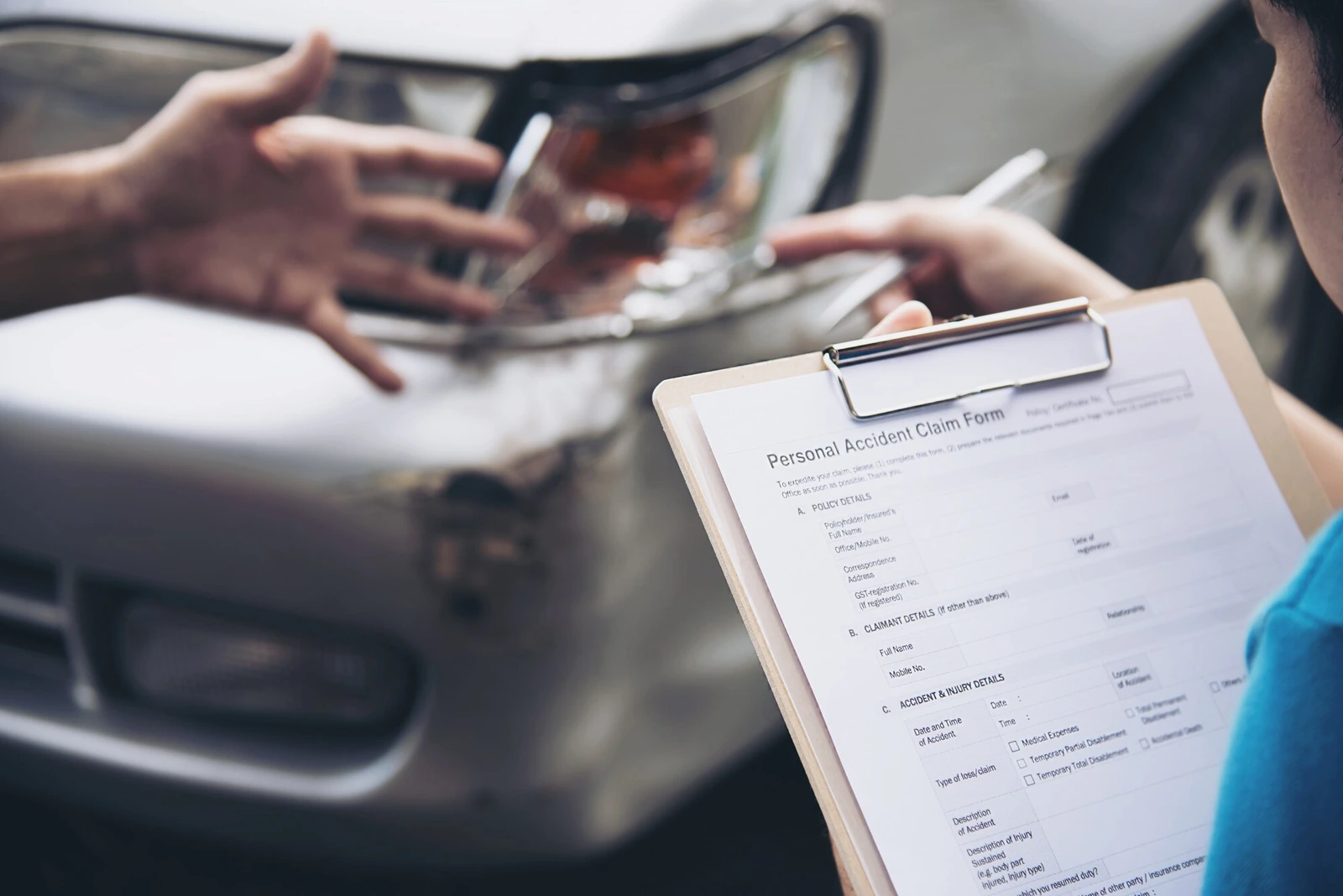
Homeowner's insurance often applies to dog bites and other injuries that happen on private property, including residential premises liability claims. Property related injuries can trigger real disputes over coverage, insurers sometimes point to breed exclusions or other policy limitations to avoid paying, which is why a full review of the policy matters before accepting a denial.
Umbrella and Excess Insurance
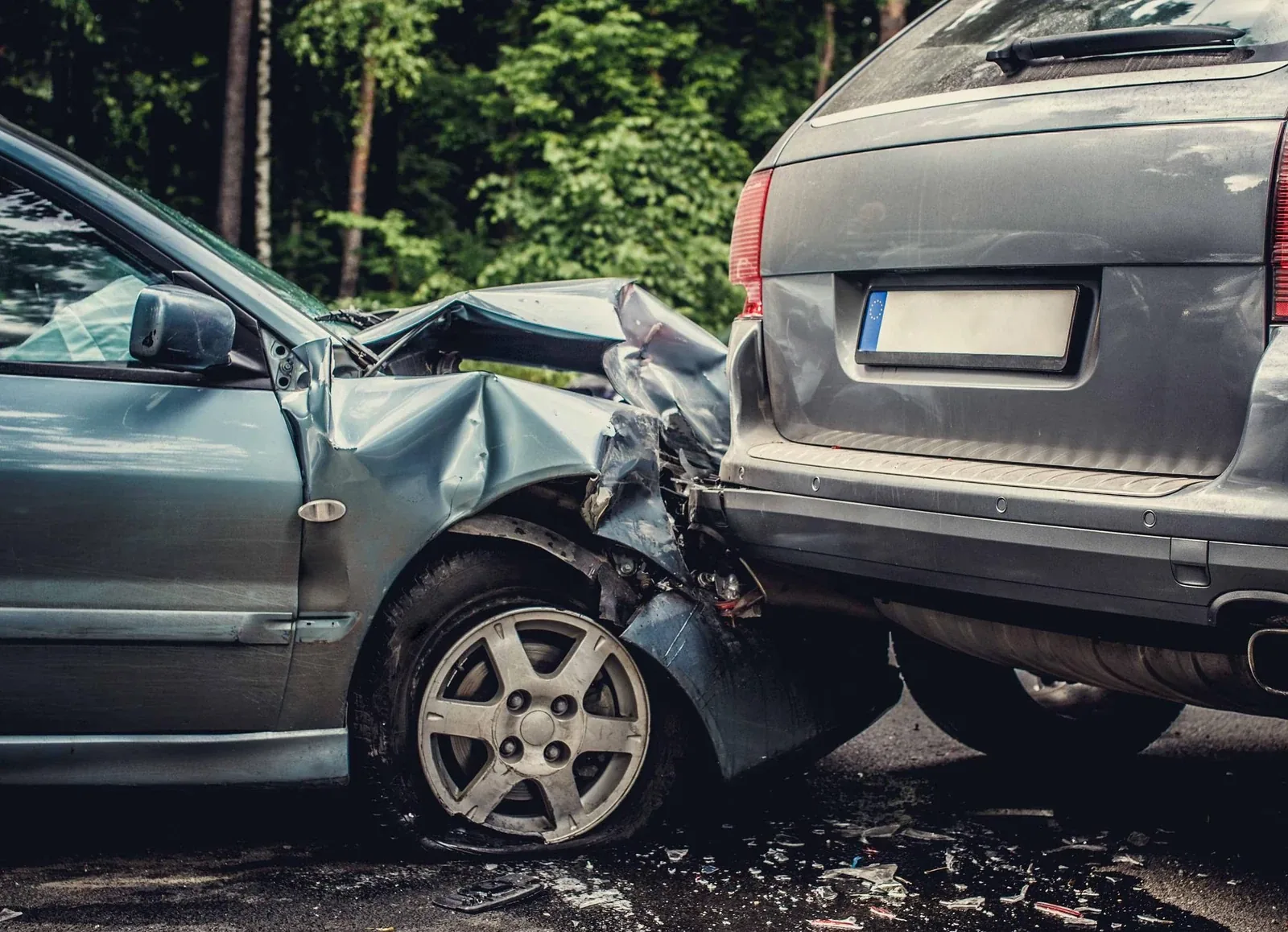
When primary insurance limits are not enough, umbrella and excess policies can extend coverage further. This comes up most often in catastrophic injury cases, wrongful death claims, and serious truck or commercial vehicle accidents, where damages can exceed what a standard policy was ever designed to cover. Identifying every available source of coverage, including these additional policies, is often what separates a partial recovery from a full one.
Insurance Company Tactics
Common Insurance Company Tactics
- Quick, low settlement offers
- Requesting a recorded statement
- Blaming the victim for the accident
- Minimizing the severity of injuries
- Delaying payment
- Requesting broad medical authorizations
- Disputing necessary medical treatment
- Denying coverage outright

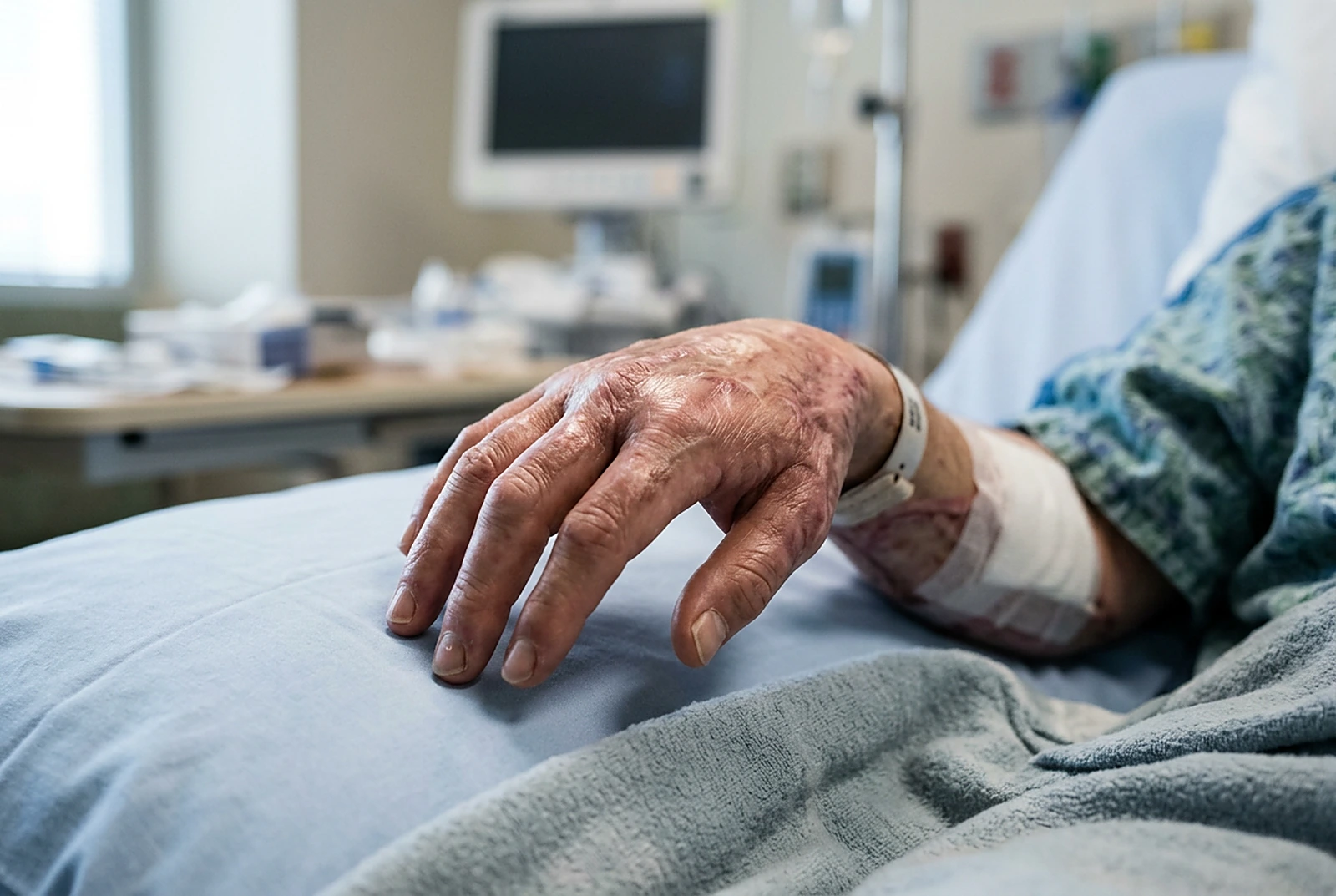

What to Do Before Talking to an Insurance Adjuster
- Do not admit fault
- Do not minimize your injuries
- Do not sign any releases too early
- Do not accept a quick offer before your treatment is clear
- Keep all letters and emails from the insurance company
- Document every claim number you're given
- Speak with a lawyer if your injuries are serious
Filing Deadlines
How Long Do You Have to File an Insurance Claim After an Accident?
Insurance companies often set their own notice deadlines, and these can be shorter than the legal deadline for filing a lawsuit. The exact terms depend on your specific policy, but prompt reporting is generally in your best interest regardless of what the fine print says.
It is important not to confuse an insurance notice deadline with the legal deadline for an injury claim itself, the two are not the same thing, and missing either one can cost you. An attorney can review your specific policy and circumstances to make sure nothing gets missed.
FAQ
Frequently Asked Questions About Accident Insurance Claims
Report the accident to the relevant insurance companies, keep detailed records of your injuries and treatment, and avoid giving a recorded statement before speaking with an attorney.
Got some more questions? Send us a message at contact@vanwalegal.com

Contact us
Contact a Vancouver Accident Insurance Claim Lawyer
If you're navigating an insurance claim after an accident, you do not have to sort out which policy applies on your own. Talk to an attorney about your case at no cost, and pay nothing unless we win.