
Personal Injury Protection Insurance in Washington State
Personal Injury Protection can help pay medical bills and certain losses after an accident, regardless of who caused the crash. VanWa Legal PLLC helps injured people in Vancouver and Clark County understand PIP benefits and pursue full compensation after an accident.

Serving Vancouver and Southwest Washington
$1.15M wrongful death settlement
No fee unless we win
Attorney led representation
What Is PIP
What Is Personal Injury Protection?
Personal Injury Protection, commonly called PIP, is a type of auto insurance coverage that can help pay for your medical care and certain other losses after an accident. Unlike a liability claim, PIP applies regardless of who caused the crash, which makes it one of the fastest sources of help available while a larger injury claim is still being worked out.
That speed matters. Medical bills do not wait for a settlement, and PIP can start covering treatment costs long before fault is resolved or a final claim amount is reached. What exactly your policy covers, and at what limits, depends on the specific terms you or your household carries.
Because PIP is a first-party benefit, meaning it is paid by your own insurer rather than the at fault driver's, it also sits at the center of how the broader insurance claim comes together after a crash. Used correctly, it keeps treatment moving and bills current while the larger claim is negotiated; overlooked, it can leave money on the table that you were entitled to from the start.

What Does PIP Cover?
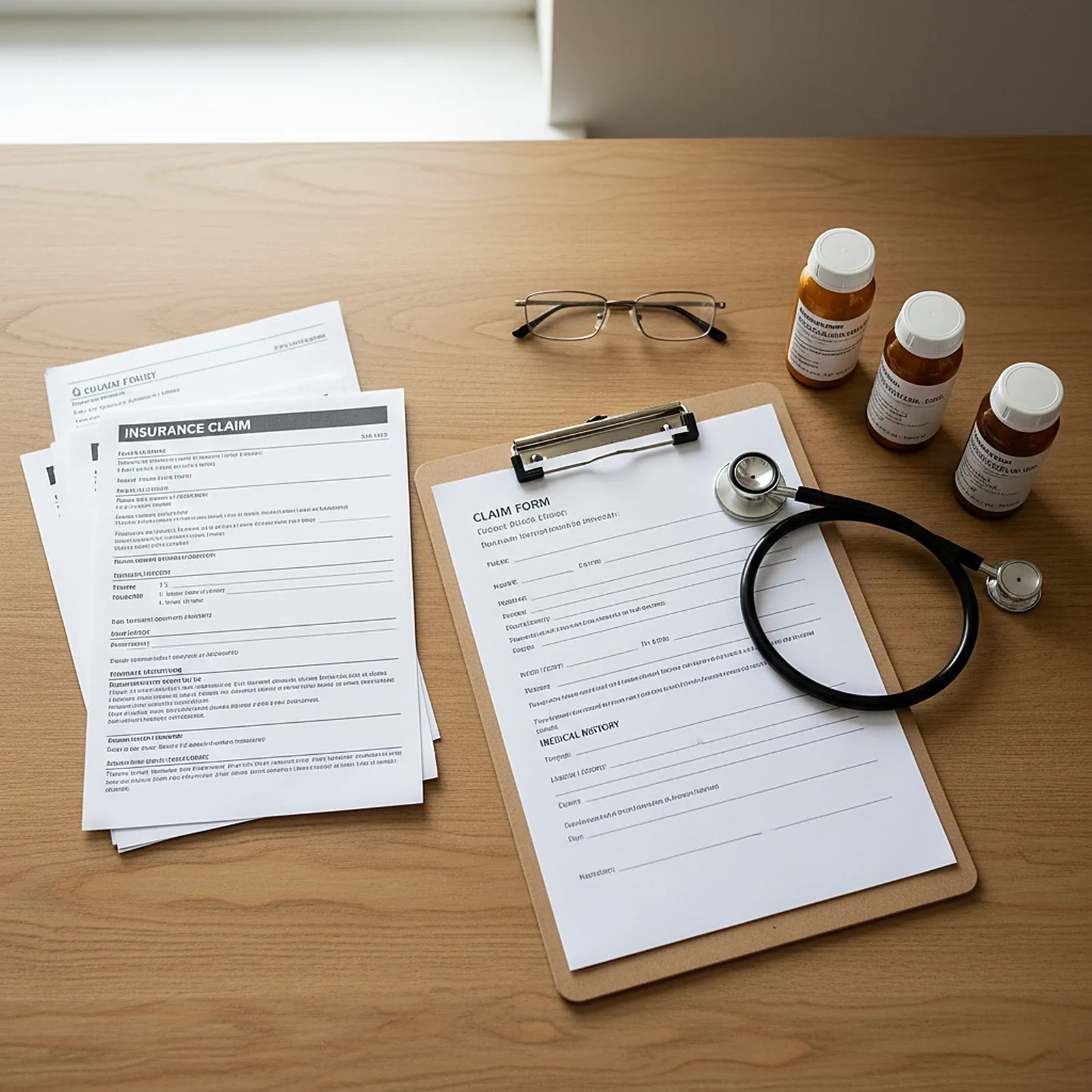
PIP is designed to respond quickly to the immediate costs of an injury, though exactly what it pays and up to what limit depends on the coverage you selected when the policy was written. Depending on those terms, it can cover:
- Medical expenses
- Hospital bills
- Doctor visits
- Physical therapy
- Lost wages, in some policies
- Funeral expenses, in some policies
- Services or replacement help, in some policies
- Coverage subject to policy specific limits

Is PIP Required in Washington?
Washington insurers are required to offer PIP coverage, but the choice to accept or reject it belongs to the policyholder. Many drivers reject it, sometimes without fully understanding what they gave up, or simply do not remember whether they accepted or declined it when the policy was purchased.
This is part of why so many people are unsure whether they even have PIP after an accident. Checking your policy's declarations page is the fastest way to find out, and if the coverage picture is unclear, an attorney can review the policy directly and explain exactly what applies to your situation.
It is also worth knowing that PIP is no-fault coverage, which means it pays these benefits even if the crash was partly or entirely your fault. That surprises a lot of people, because they assume being at fault disqualifies them, and as a result they never claim benefits they already paid for. If you are unsure what you carry, it costs nothing to have the policy reviewed before you assume the coverage simply is not there.

When Can PIP Help After an Accident?
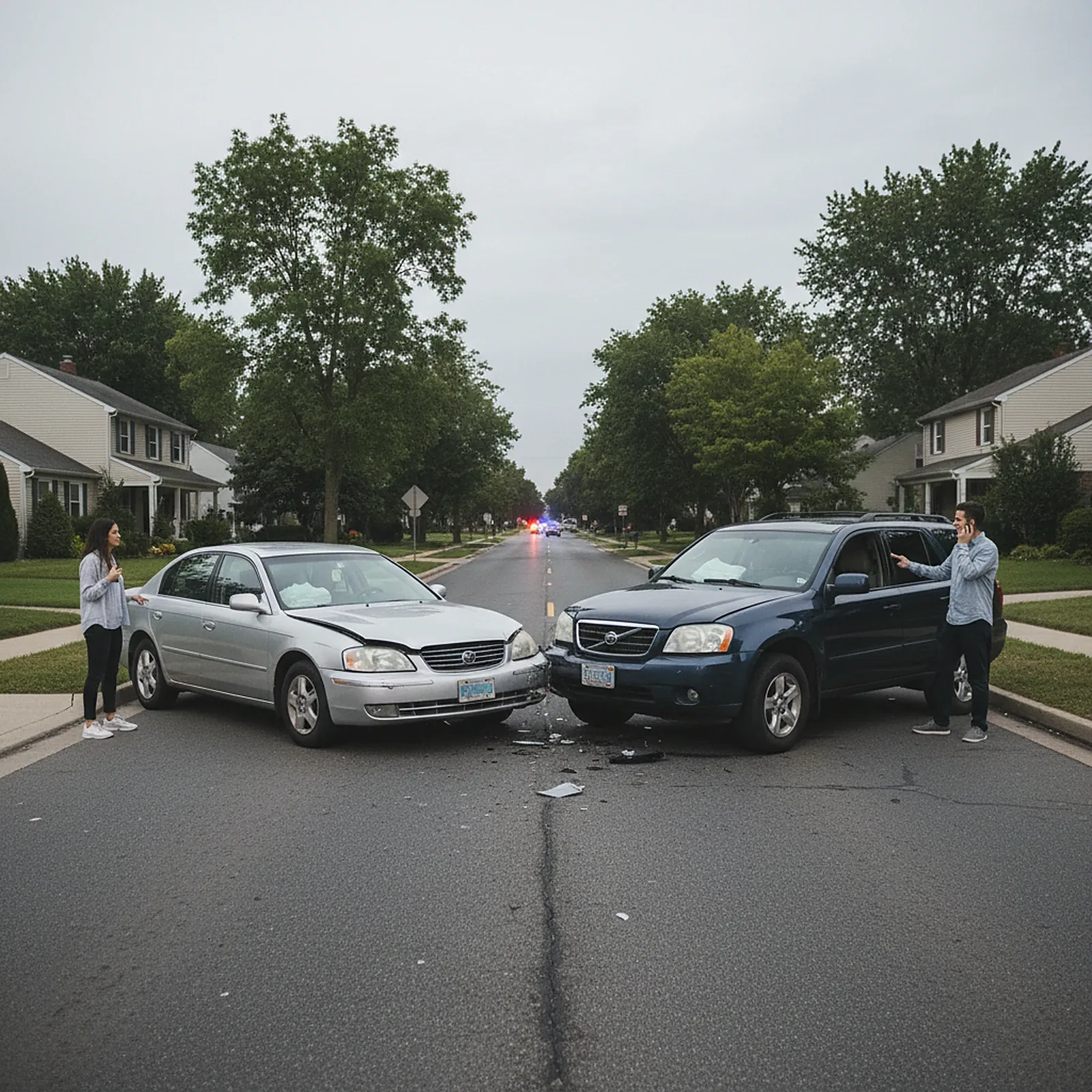
Because PIP applies regardless of who was at fault, it can help across nearly every kind of motor vehicle accident, and it is often the first coverage to respond while a larger injury claim is still taking shape. Situations where PIP frequently comes into play include:
- Car accidents
- Passenger injuries
- Pedestrian accidents
- Bicycle accidents
- Hit and run accidents
- Drunk driving accidents
- Distracted driving accidents
- Serious injury cases, while a larger claim is still pending
PIP vs Health Insurance
Which coverage pays first, PIP or your own health insurance, depends on your specific policies and how they coordinate with each other. Deductibles and co-pays can differ significantly between the two, and health insurance often places a medical lien on your eventual settlement through a process called subrogation, meaning a portion of what you recover may go toward repaying bills they already covered.
Coordinating these two sources of coverage matters, and ignoring medical bills while you wait for a settlement is one of the costliest mistakes an injured person can make. Bills that go unpaid can affect your credit and your treatment access long before your claim is resolved, and getting the order of payment right is one of the details we look at closely when we review the full insurance claim after a crash.
PIP and the At-Fault Driver's Insurance
PIP is entirely separate from a liability claim against the at fault driver. It can start helping with your medical bills while that larger claim is still pending, without waiting on fault to be determined or a settlement to be reached.
The at fault driver's insurer may still owe you damages beyond what PIP has already paid, including pain and suffering, lost income beyond PIP's limits, and other losses PIP does not cover. A full settlement should account for everything you're owed, not just what PIP has already provided. And where the at fault driver turns out to be uninsured or carries too little coverage to cover your losses, your own uninsured or underinsured motorist coverage may step in to close the gap that PIP alone cannot.
What If PIP Denies or Delays Payment?
PIP claims can be denied or delayed for reasons that are not always straightforward, missing records, disputes over what counts as medically necessary, or an independent medical exam that contradicts your own doctor's findings. Insurers sometimes cut off treatment before your recovery is actually complete, arguing that further care is not related to the accident.
These disputes can feel discouraging, but a denial is not always the final word. Legal help often becomes necessary when an insurer is treating a legitimate claim like it is somehow suspect.
It also helps to understand what an independent medical examination actually is. Despite the neutral-sounding name, the exam is arranged and paid for by the insurer, and its conclusions frequently support cutting off benefits. You are not required to simply accept that opinion over your own treating doctor's. Consistent symptom documentation and a complete set of records give an attorney the footing to challenge a premature denial, and where an insurer acts in bad faith, Washington law provides additional remedies.

How to Find Out If You Have PIP Coverage
- Check your auto policy's declarations page
- Call your insurer directly
- Review any rejection form you may have signed
- Ask your insurer for a copy of your full policy
- Check other household policies that may extend coverage to you
- Ask an attorney to review your coverage directly
Common PIP Mistakes to Avoid
- Assuming there is no coverage without checking
- Ignoring medical bills while waiting on a claim
- Missing insurer deadlines
- Signing broad medical releases
- Giving unclear or inconsistent statements
- Failing to coordinate PIP benefits with the larger injury claim
FAQ
Frequently Asked Questions About PIP Insurance
Insurers are required to offer it, but policyholders can choose to reject it, so not everyone carries PIP coverage.
Got some more questions? Send us a message at contact@vanwalegal.com

Contact us
Contact a Vancouver PIP Claim Lawyer
If you're unsure what your PIP coverage includes, or an insurer is disputing your claim, you do not have to sort it out alone. Talk to an attorney about your coverage at no cost, and pay nothing unless we win.