
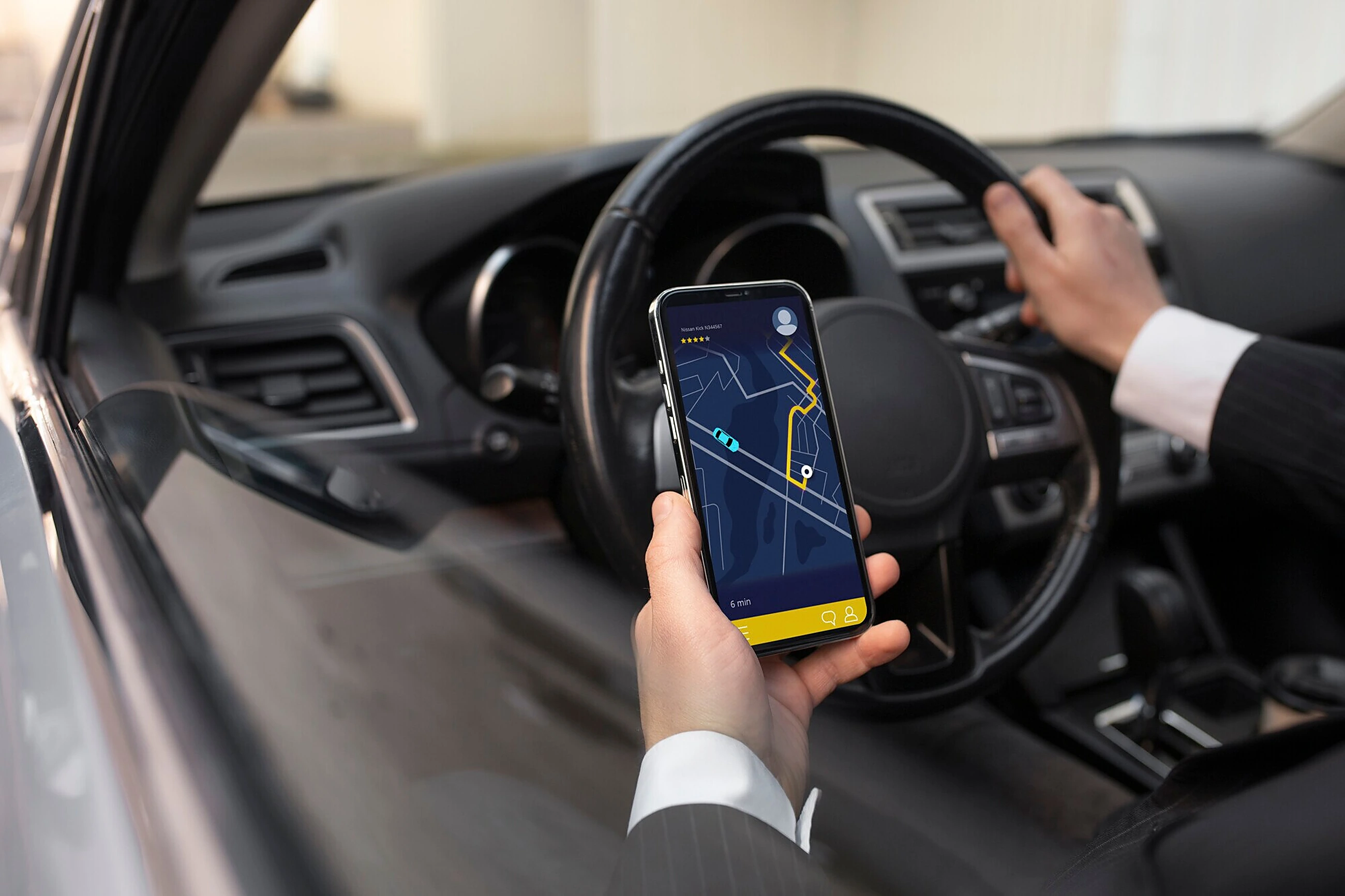
Uber and Lyft Accident Lawyer Vancouver WA
Uber and Lyft accident claims can involve complicated insurance rules. VanWa Legal PLLC helps injured passengers, drivers, pedestrians, and cyclists in Vancouver and Clark County identify the right coverage and pursue compensation.

Serving Vancouver and Southwest Washington
$1.15M wrongful death settlement
No fee unless we win
Attorney led representation
Injured in an Uber or Lyft Accident in Vancouver, WA?
A rideshare crash is rarely as simple as a normal car accident claim. What insurance applies often depends on a single detail, whether the driver's app was on, whether they had accepted a ride, and whether a passenger was in the vehicle at the moment of the crash.
Victims are not limited to passengers. Other drivers, pedestrians, and cyclists hit by an Uber or Lyft vehicle face the same complicated coverage questions, often without knowing which policy is even supposed to respond to their claim.
Washington requires rideshare companies to carry substantial commercial coverage while a driver is on a trip, but the amount that actually applies still depends on the phase of the ride. Understanding which tier of coverage was in effect, and pinning down the driver's exact app status at the moment of the crash, is usually the first and most important step in one of these claims, and it often decides how much compensation is available at all.
VanWa Legal PLLC represents anyone injured in a rideshare related crash across Vancouver and Clark County. Because app status and trip data can be hard to access later, early investigation is one of the most important parts of a rideshare claim.

Who Can File a Claim
Who Can File a Rideshare Accident Claim?
A rideshare crash injures far more than the passenger in the back seat. Depending on who was hurt, a claim can resemble a car accident, a commercial vehicle case, or a pedestrian or bicycle claim. Those who can file include:

Injured Uber or Lyft Passengers
Passengers hurt during a ride are generally covered by the rideshare company's commercial policy, which applies from pickup to drop off.
Drivers Hit by a Rideshare Vehicle
If an Uber or Lyft driver caused your crash while you were driving your own vehicle, coverage depends heavily on the rideshare driver's app status at the time.
Pedestrians Hit by an Uber or Lyft Driver
Pedestrians struck by a rideshare vehicle can pursue a claim against the applicable policy, whether that is the driver's personal insurance or the company's commercial coverage.
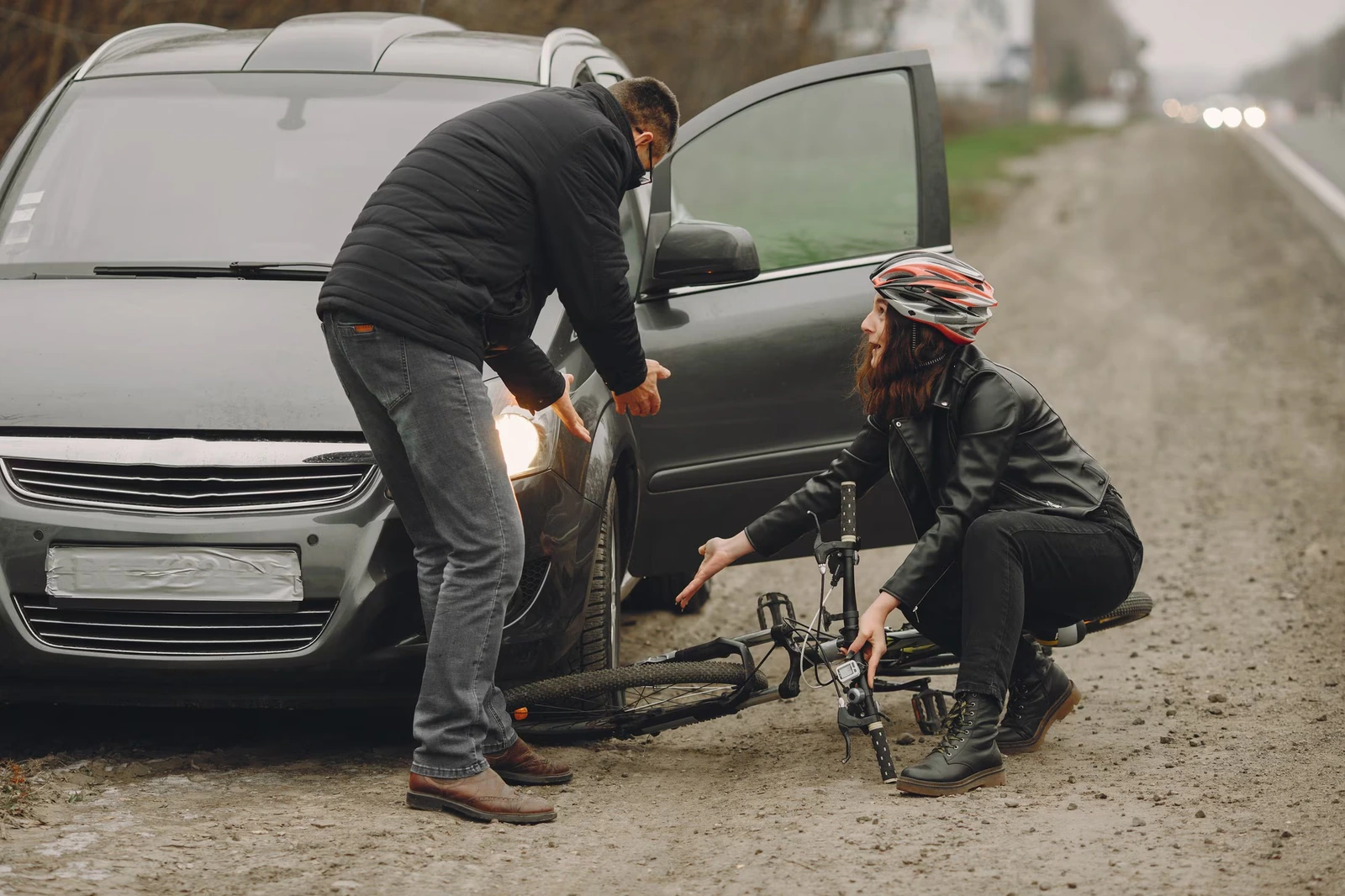
Cyclists Hit by a Rideshare Driver
Cyclists face the same layered coverage questions as pedestrians, with the right policy depending on exactly what the driver was doing in the app when the crash happened.
Rideshare Drivers Injured by Another Driver
If you were driving for Uber or Lyft and another driver caused the crash, your claim may involve the at fault driver's insurance along with rideshare company coverage, depending on your app status.
Hit and Run Drivers
When a driver flees the scene, identifying who caused the crash becomes harder, and the case often shifts toward uninsured motorist coverage.
Why it is Complicated
Why Rideshare Insurance Claims Are Complicated
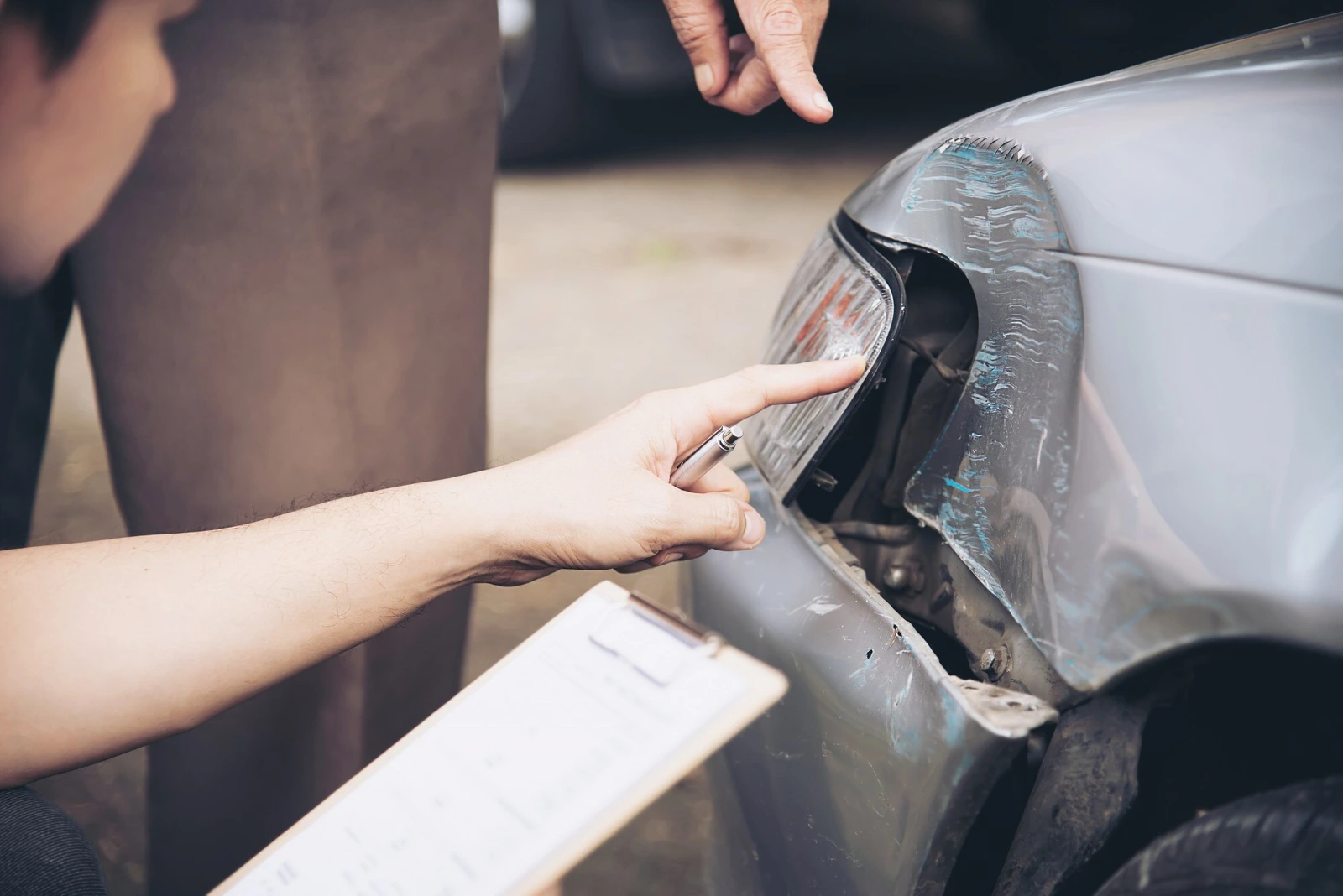
The insurance that applies to a rideshare crash changes based on exactly what the driver was doing at the moment of impact. A driver waiting for a ride request has different, and often lower, coverage than one who has accepted a ride or has a passenger in the car.
Most personal auto insurance policies exclude coverage while a driver is working for a rideshare app, which is exactly why the company's own commercial policy exists to fill that gap. But that policy does not always apply cleanly, and rideshare companies frequently dispute a driver's app status to limit their own exposure. Underinsured motorist coverage (UIM) can also come into play if the applicable rideshare policy is not enough to cover a serious injury, and sorting all of it out is what makes these insurance claims so involved. It is common for more than one insurer to point at the other before anyone accepts responsibility, which is why these claims need an attorney who understands how the app status rules actually work.
The practical result is that two crashes that look identical from the outside can be governed by entirely different policies. A driver logged in but between rides may carry only limited contingent coverage, while a driver in the middle of a trip can access the company's full commercial policy. Because that distinction can be worth a great deal, it is exactly the detail insurers fight over, and exactly why the app and trip data should be preserved before they become difficult to obtain.
Common Causes
Common Causes of Uber and Lyft Accidents
Rideshare drivers spend long hours on the road while juggling an app, navigation, and passenger pickups, which introduces distractions and pressures an ordinary trip does not. The causes we see most often include:
- Distracted driving
- Phone and GPS use
- Speeding
- Unsafe pickups and drop offs
- Sudden stops
- Driver fatigue
- Failure to yield
- Impaired driving
- Inexperienced drivers

Evidence Needed in a Rideshare Accident Claim
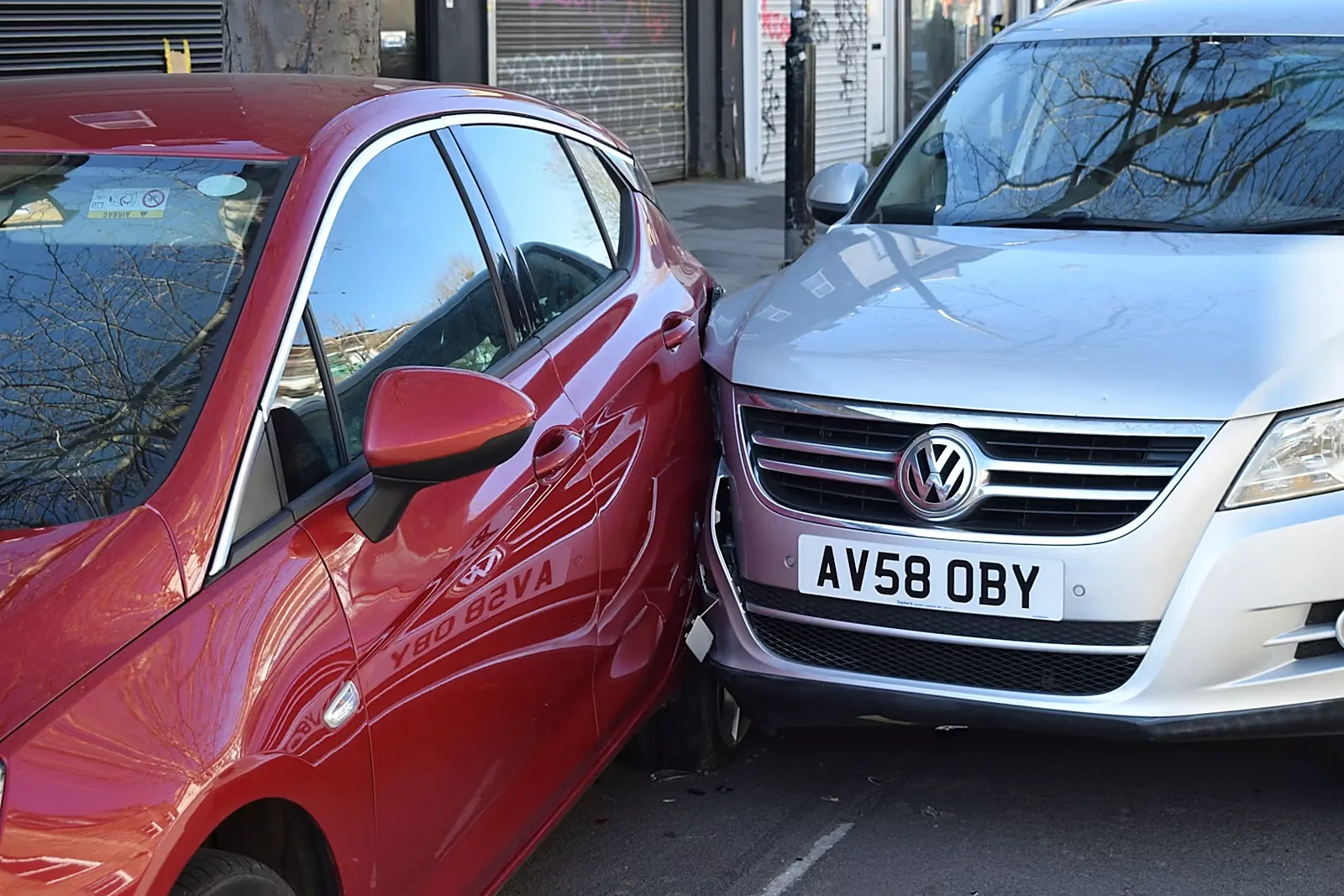
Because app status determines which policy applies, the evidence in a rideshare claim looks different from a standard car accident case.
- Screenshot of ride details
- App trip history
- Driver name and vehicle information
- Police report
- Insurance information
- Witness statements
- Photos of the scene
- Medical records
- Communication with Uber or Lyft
- App status at the time of the crash
Common Injuries
Common Injuries in Uber and Lyft Accidents
Rideshare crashes cause the same range of injuries as any other collision, and passengers are often unbelted or seated without a clear view of the impact coming. Common injuries include:
- Whiplash
- Brain injuries
- Neck and back injuries
- Broken bones
- Internal injuries
- Pedestrian and cyclist injuries
- Wrongful death, in the most tragic cases


Compensation
What Compensation Can You Recover?
- Medical bills
- Lost wages
- Pain and suffering
- Future medical care
- Property damage
- Out of pocket expenses
- Reduced earning capacity

*The compensation available depends on the facts of your case,
What to Do After
What to Do After an Uber or Lyft Accident
- Call 911
- Get medical attention, even if you feel fine
- Screenshot the app's ride details before closing it
- Get the driver's name and vehicle information
- Report the crash within the Uber or Lyft app
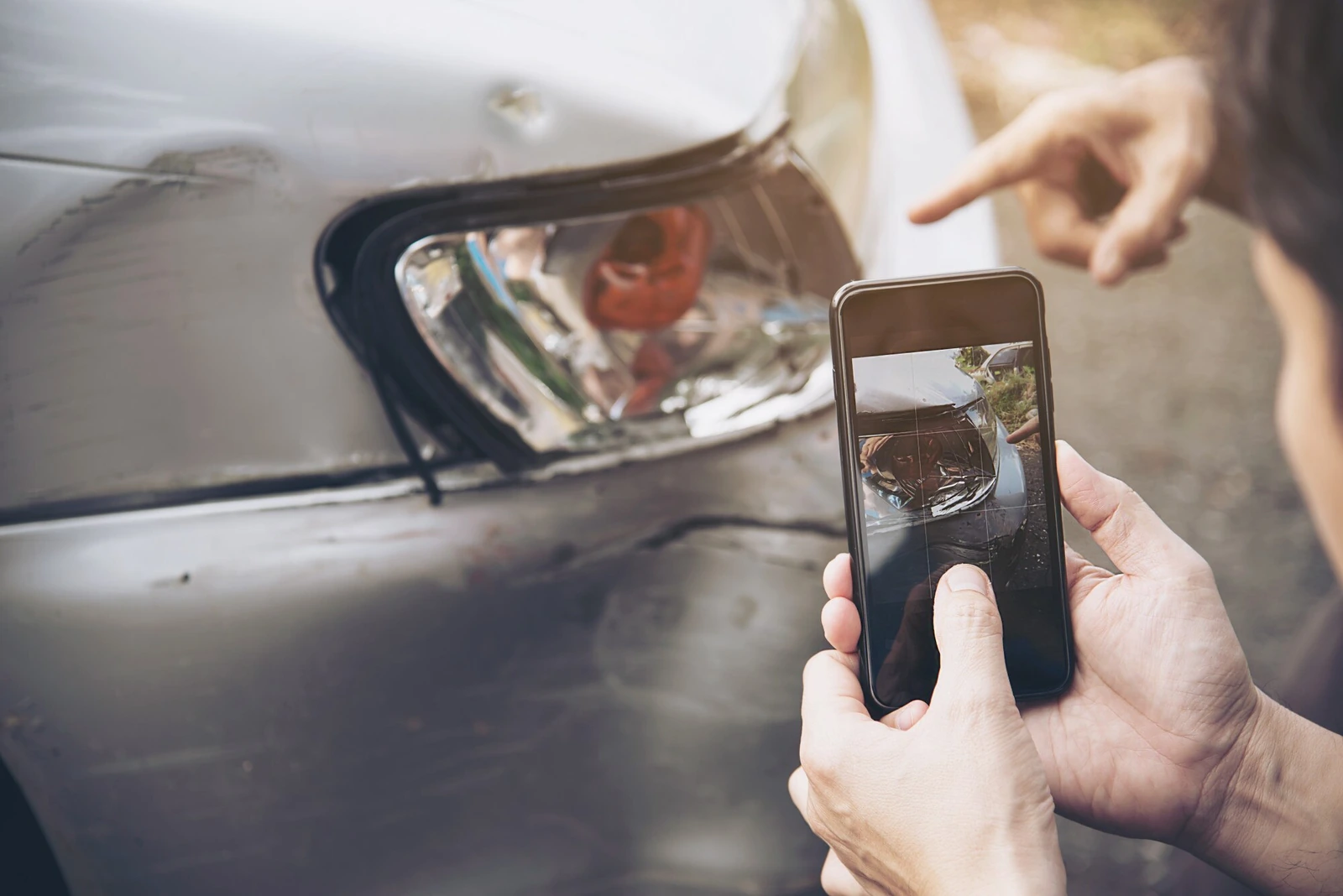
- Photograph the scene and any visible injuries
- Avoid accepting a quick settlement offer
- Contact a rideshare accident lawyer as soon as possible
FAQ
Frequently Asked Questions About Uber and Lyft Accident Claims
In most cases, claims are handled through the rideshare company's insurance policy rather than a direct lawsuit against Uber or Lyft as a company, though the details depend on your specific situation.
Got some more questions? Send us a message at contact@vanwalegal.com

Contact us
Contact a Vancouver Uber and Lyft Accident Lawyer
Whether you were a passenger, a driver, a pedestrian, or a cyclist, you do not have to sort out which insurance policy applies on your own. Talk to an attorney about your case at no cost, and pay nothing unless we win.