Broken Bone Injury Lawyer Vancouver WA
Broken bones can require surgery, months of physical therapy, missed work, and long term pain. VanWa Legal PLLC helps injury victims in Vancouver and Clark County pursue compensation after fractures caused by accidents and unsafe conditions.

Serving Vancouver and Southwest Washington
$1.15M wrongful death settlement
No fee unless we win
Attorney led representation
Legal Help After a Broken Bone Injury
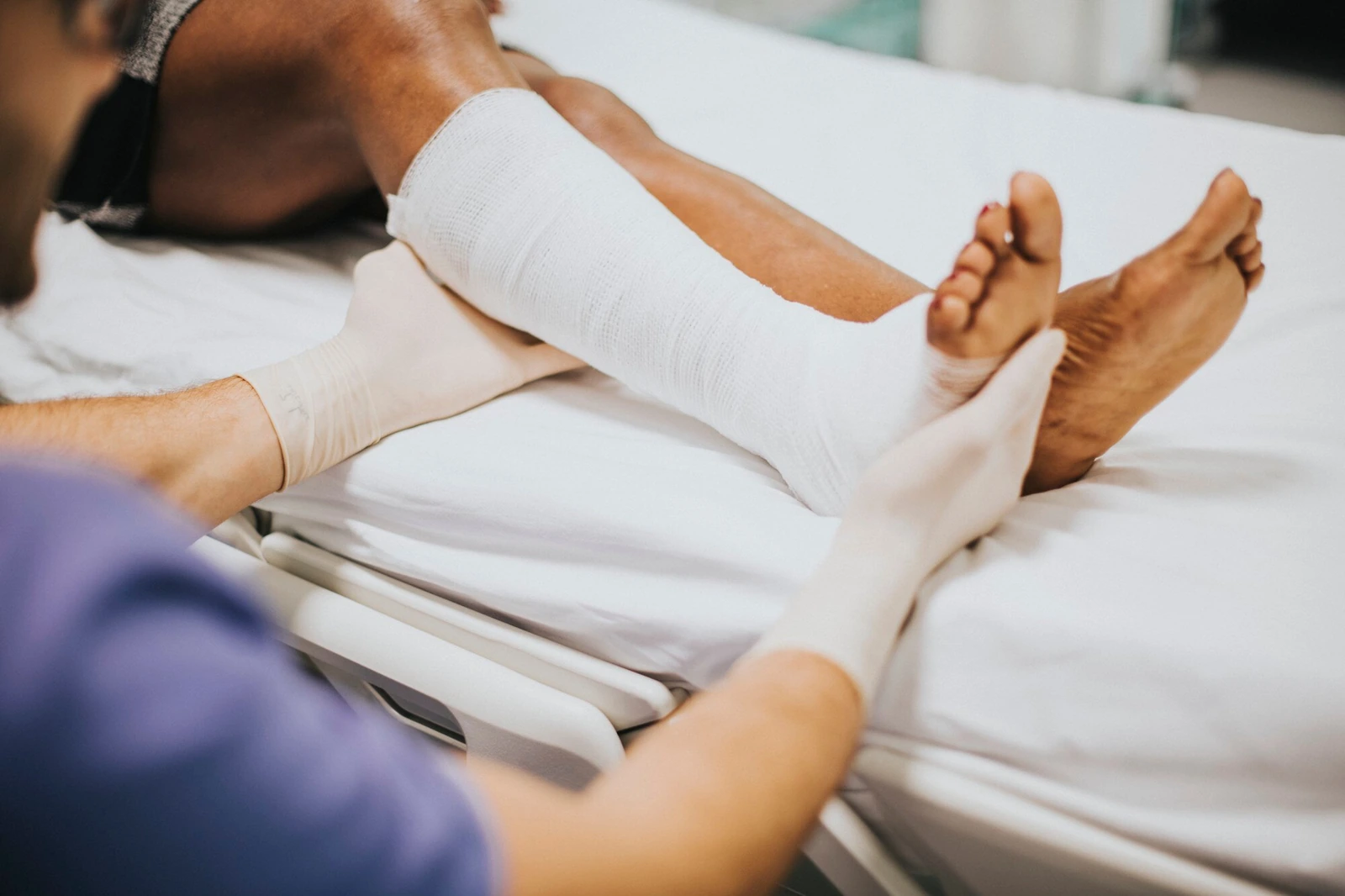
Insurance companies often treat a broken bone as a straightforward injury with a clear end date, set it, heal it, move on. In reality, a fracture can mean surgery, hardware, months of physical therapy, and pain that lingers well after a cast comes off.
Every part of that treatment adds to what your case is actually worth, and it only counts if it's properly documented. Missed work, follow up appointments, and ongoing therapy all matter, which is why staying consistent with treatment and keeping thorough records makes a real difference in the outcome of a claim.
Because a fracture is easy to underestimate on paper, insurers frequently anchor their first offer to the initial emergency treatment and little else. They may point to a healed X-ray as proof the injury is resolved, even when you are still dealing with stiffness, weakness, or pain that limits your work and daily life. Building the claim around the full arc of care, the surgery, the hardware, the physical therapy, and any permanent limitations, is what keeps an early lowball from becoming the final word on your recovery.
VanWa Legal PLLC represents injury victims across Vancouver and Clark County, and we make sure a fracture is valued for the full recovery it actually demands, not the short version an insurer would prefer.


Common Causes
Common Accidents That Cause Broken Bones
Broken bones turn up in almost every kind of serious accident, from high-speed collisions to a single misstep on an unsafe walkway. The fractures we help clients recover from most often come from:

Common Types
Common Types of Fractures

Broken Arms and Wrists
Common in falls and crashes where a person instinctively puts out their hands to brace for impact, and often requiring casting, surgery, or extended time out of work.
Broken Legs and Ankles
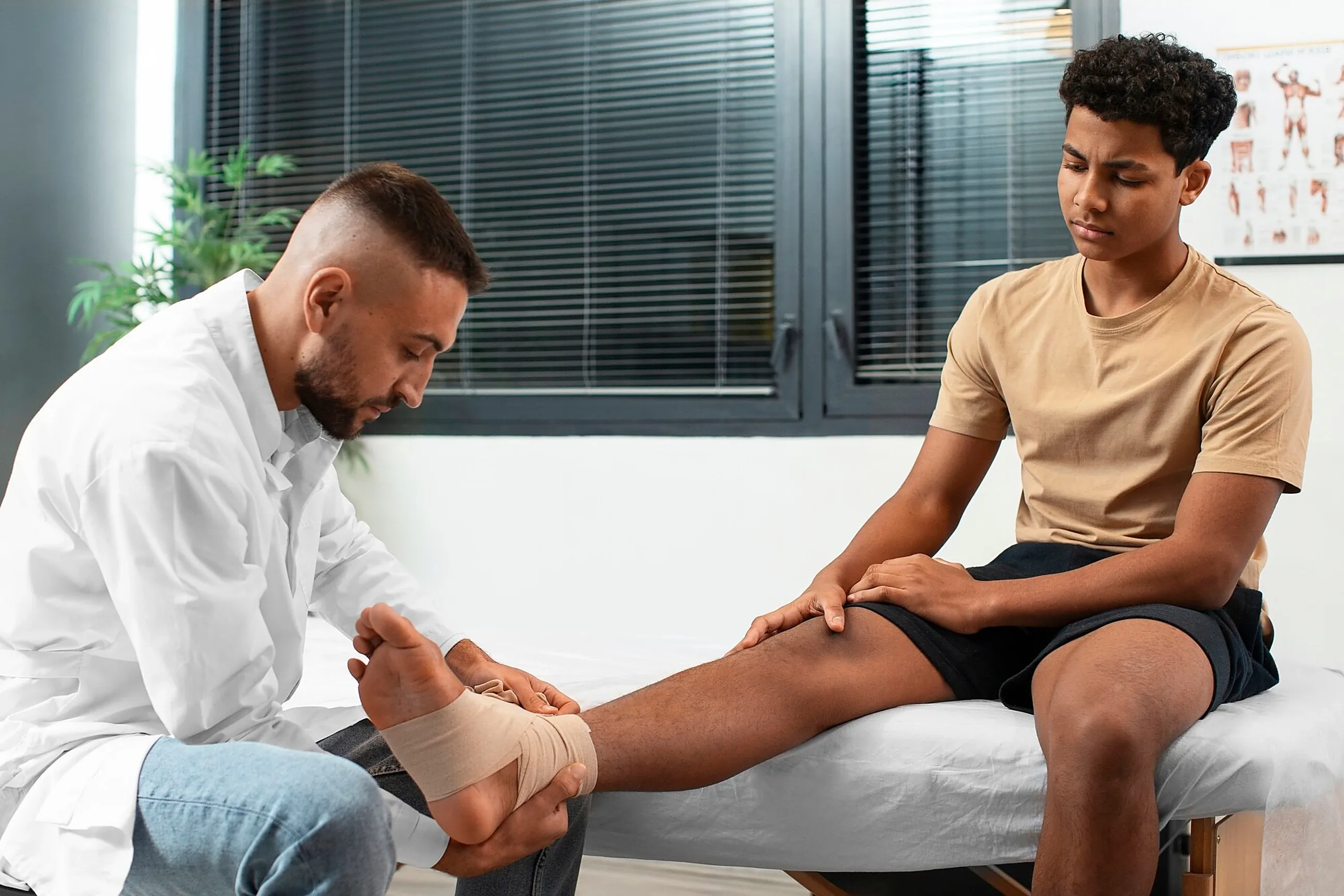
Frequently caused by the direct force of a vehicle collision or a serious fall, often requiring surgery and extended time off your feet before you can bear weight again.
Hip Fractures
Serious fractures that can significantly limit mobility and independence, particularly during a long recovery, and that sometimes require joint replacement.
Rib Fractures
Painful fractures that can also signal deeper injury to the lungs or organs beneath the ribs and that make everyday breathing and movement difficult.
Facial Fractures
Fractures that can require reconstructive surgery and carry both physical and cosmetic impact, including lasting effects on vision, breathing, or the jaw.
Vertebral Fractures
Fractures to the bones of the spine that range from stable injuries to ones requiring surgical stabilization and that can threaten nerve function.
Compound Fractures
Fractures where the bone breaks through the skin, carrying a higher risk of infection and typically requiring surgery and a longer, closely monitored recovery.
Crush Injuries
Severe fractures caused by a heavy or crushing force, often involving damage to muscle, nerves, and blood supply as well as the bone itself.
When Surgery Is Required
When Broken Bones Require Surgery
Many serious fractures require surgical repair, often involving plates, screws, pins, or rods to hold the bone in place while it heals. A procedure called open reduction internal fixation, where a surgeon realigns the bone and fixes it with hardware, is common for fractures that cannot heal properly with a cast alone.
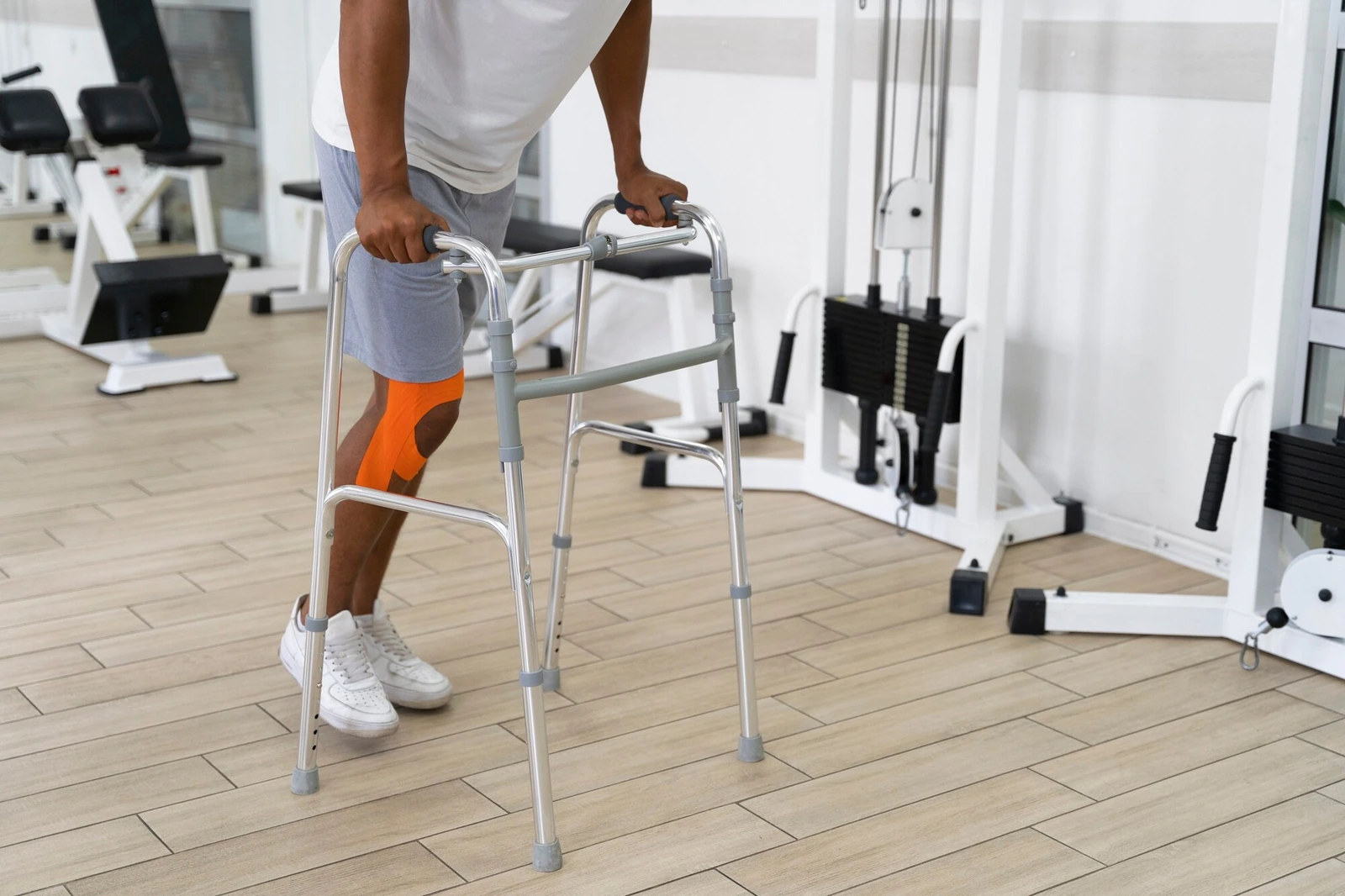
Surgery is not always the end of treatment either. Follow up procedures, infection risk, and scar tissue can all extend recovery well beyond the initial operation, and physical therapy is often necessary to regain strength and range of motion. Long term pain can persist even after the bone itself has fully healed.
In some cases the hardware used to repair a fracture has to be removed in a second operation once the bone has knitted, and infections around plates or screws can require further surgery and antibiotics. Even a technically successful repair can leave a joint stiffer, weaker, or more prone to arthritis than it was before the injury, which is why the long term outlook matters just as much as the initial break when a claim is valued.
Long-Term Effects
Long-Term Effects of Broken Bone Injuries
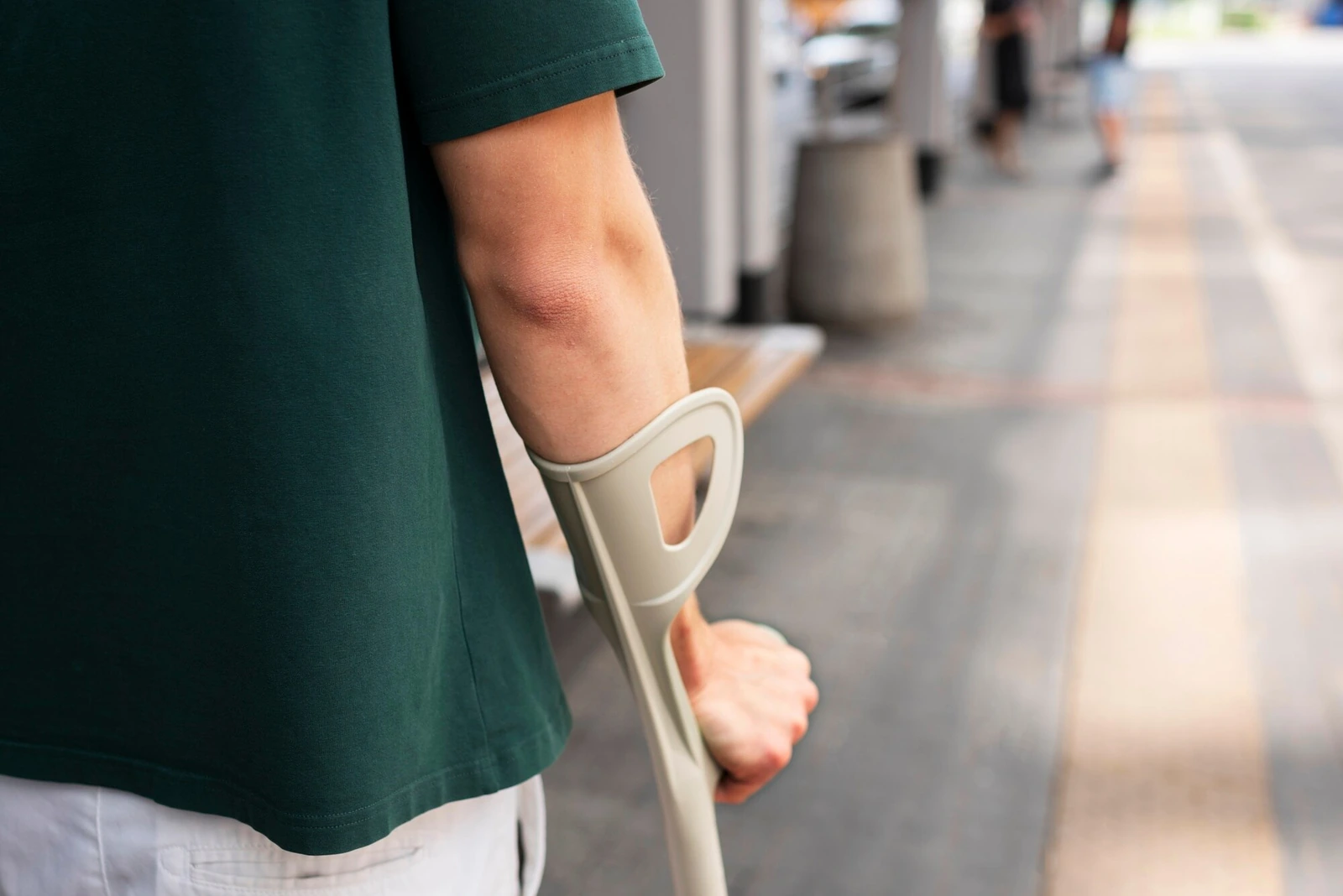
A fracture that looks routine on an X-ray can leave problems that last long after it heals. When the damage is severe enough to permanently change how you live or work, it can rise to the level of a catastrophic injury. Common long term effects include:
- Reduced mobility
- Chronic pain
- Loss of strength
- Arthritis
- Nerve damage
- Work restrictions
- Permanent impairment
- Need for future treatment
Compensation
Compensation for Broken Bone Injuries
A broken bone claim should account for the full cost of recovery, not just the emergency room visit that started it. Depending on the facts of your case, compensation can include:
- Emergency care
- X-rays and imaging
- Surgery
- Hospital bills
- Physical therapy
- Medication
- Lost income
- Reduced earning capacity
- Pain and suffering
- Future medical care
- Out of pocket expenses

*The compensation available depends on the facts of your case,

Evidence Needed
Evidence Needed in a Broken Bone Claim
Strong documentation is what separates a fully valued fracture claim from a minimized one. The evidence that tends to matter most includes:
- Medical records
- Imaging reports
- Surgical records
- Physical therapy records
- Work restriction notes
- Photos of the injury
- Accident report
- Witness statements
- Documentation of missed work
FAQ
Frequently Asked Questions About Broken Bone Claims
Case value depends on the severity of the fracture, whether surgery was needed, and how the injury affected your work and daily life. A free consultation gives you an honest, case specific answer.
Got some more questions? Send us a message at contact@vanwalegal.com

Contact us
Contact a Vancouver Broken Bone Injury Lawyer
If you're recovering from a fracture caused by someone else's negligence, you do not have to settle for less than your treatment actually costs. Talk to an attorney about your case at no cost, and pay nothing unless we win.