Burn Injury Lawyer Vancouver WA
Burn injuries can cause severe pain, permanent scarring, infection, emotional trauma, and long term medical treatment. VanWa Legal PLLC helps burn injury victims in Vancouver and Clark County pursue compensation after accidents, fires, vehicle crashes, and unsafe property conditions.

Serving Vancouver and Southwest Washington
$1.15M wrongful death settlement
No fee unless we win
Attorney led representation
Legal Help After a Serious Burn Injury
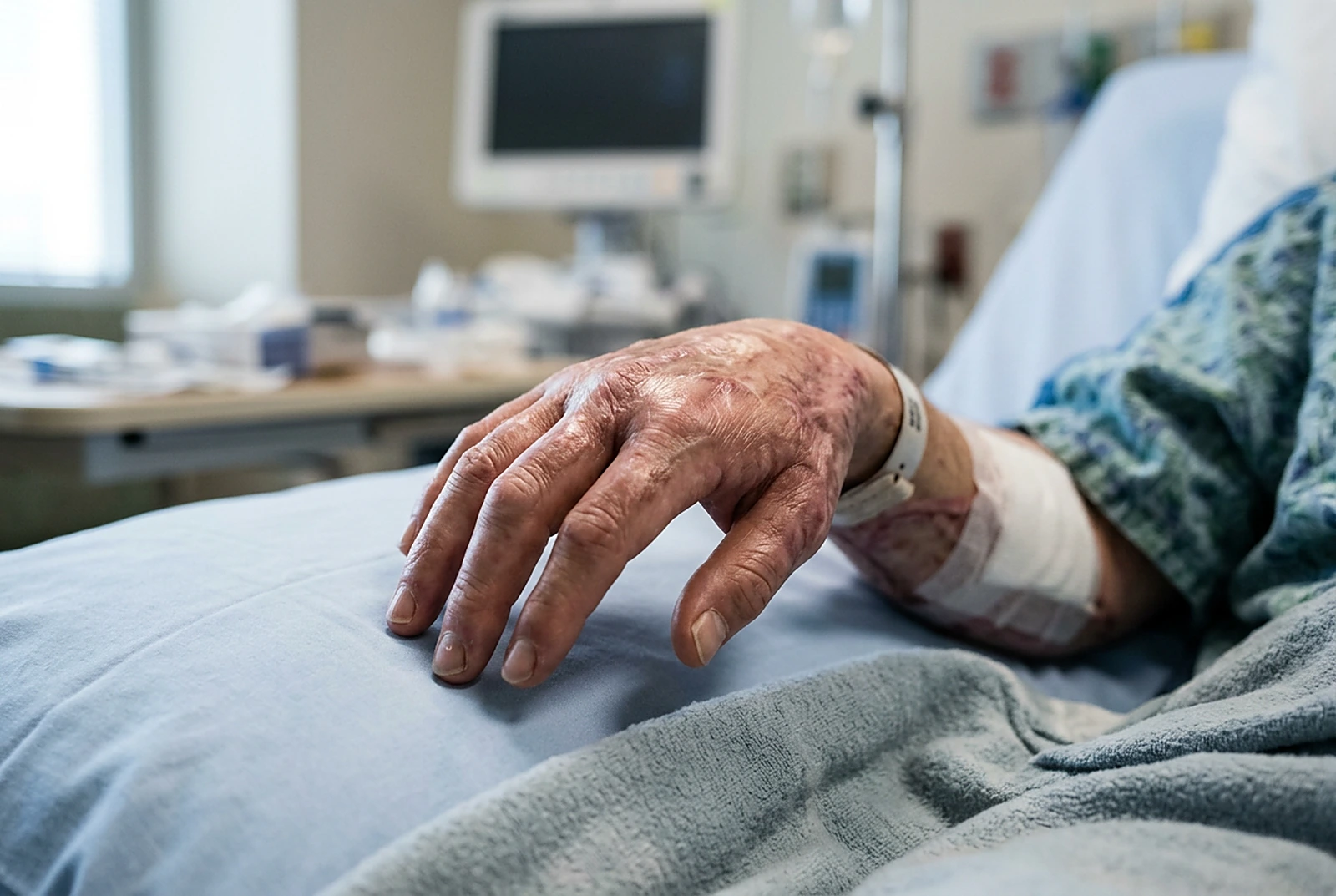
A serious burn is one of the most painful and slowest healing injuries a person can experience. Treatment often extends far past the initial hospital stay, and scarring or disfigurement can affect daily life long after the wound itself has closed.
Insurance companies frequently undervalue what future treatment will actually cost, focusing on the bills already paid rather than the surgeries, scar treatment, or therapy still ahead. Establishing exactly what caused the burn, and who was responsible for it, is often the most contested part of these claims.
Severe burns are also among the most visible injuries a person carries, and the emotional weight of permanent scarring or disfigurement is real, compensable harm, not an afterthought to the medical bills. Anxiety, depression, and post-traumatic stress are common after a serious burn, and a claim built properly accounts for that alongside the physical treatment.
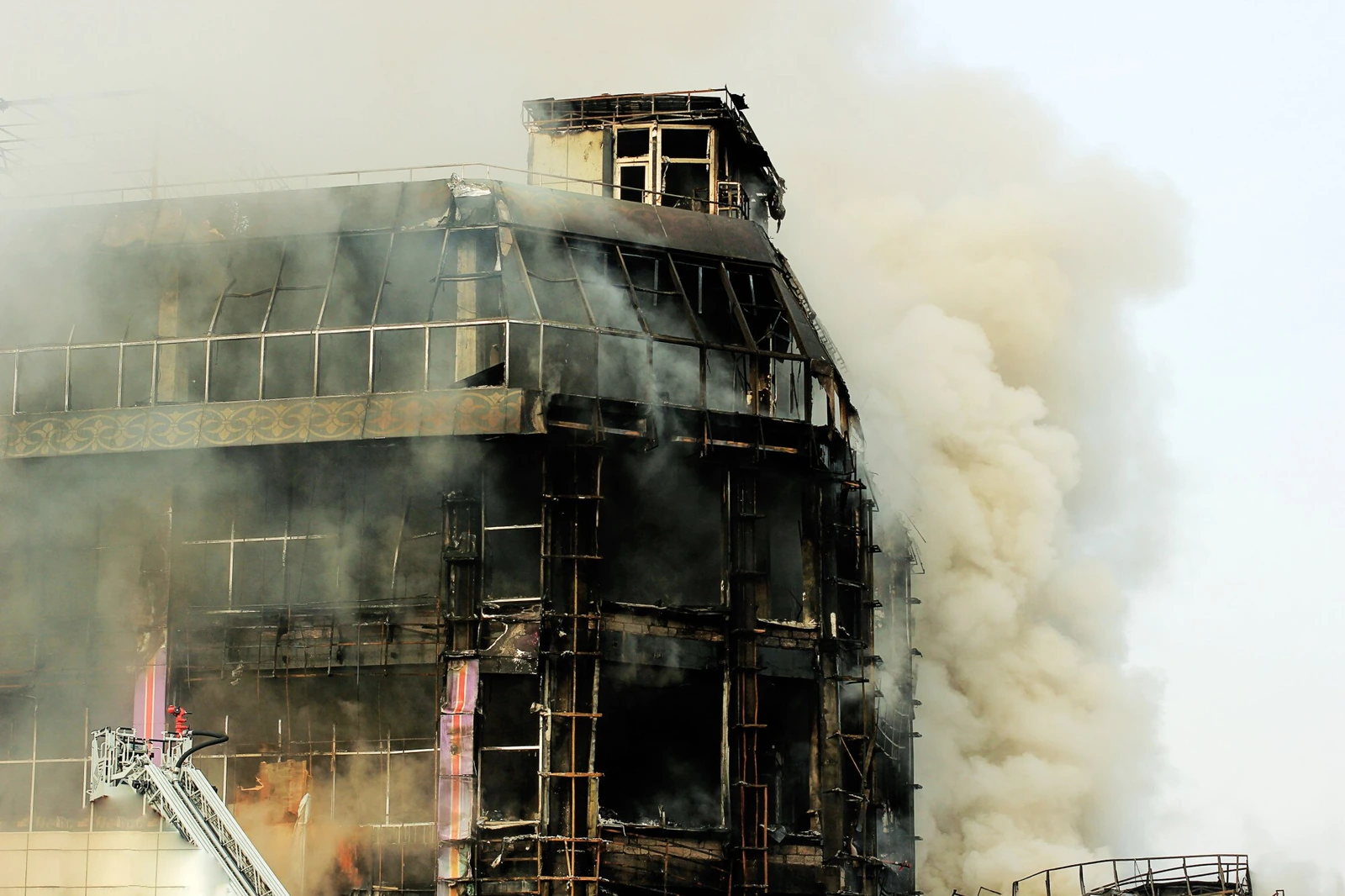
Burn cases also demand fast, careful investigation into what actually caused the fire or exposure. Physical evidence at a fire scene is cleaned up, repaired, or discarded quickly, and the fire marshal's origin-and-cause findings, the condition of any equipment involved, and the state of the building itself can all be lost within days. Preserving that proof early is often what determines whether the responsible party can be identified and held accountable at all.
VanWa Legal PLLC represents burn injury victims across Vancouver and Clark County, and we build these cases around the true, long term cost of recovery.
Common Causes
Common Causes of Burn Injuries
Burns happen on the road, on the job, and inside unsafe buildings. Many trace back to another party’s negligence, from a defective product to a landlord’s premises failures. Common causes include:

Vehicle Fires
Fires that break out during or after a vehicle collision, often caused by fuel leaks or electrical failures.
Truck and Commercial Vehicle Accidents
Collisions involving larger vehicles that carry a higher risk of fire due to fuel volume and cargo.
Apartment or Building Fires
Fires linked to faulty wiring, missing smoke detectors, or other property negligence.
Defective Products
Products with design or manufacturing defects that pose an unexpected fire or burn risk.
Electrical Burns
Burns caused by exposed wiring, faulty equipment, or unsafe electrical conditions.
Chemical Burns
Burns caused by exposure to hazardous chemicals, often in a workplace or industrial setting.
Hot Liquid and Steam Burns
Burns caused by scalding liquids or steam, common in restaurant and workplace settings.
Workplace or Contractor-Related Burns
Burns tied to unsafe equipment or conditions on a job site or contracted work.
Fire and Building Code Violations
Fires made worse by blocked exits, missing alarms, or other code violations a property owner failed to correct.

Injury Types
Types of Burn Injuries
Burns are classified by depth and cause, and the more severe categories often mean surgery, grafts, and permanent effects. First and second degree burns damage the outer layers of skin and often heal with proper care, while third and fourth degree burns destroy deeper tissue, nerves, and sometimes muscle or bone, frequently requiring skin grafts and leaving lasting damage. Chemical, electrical, and inhalation injuries add their own complications on top of the visible wound. The main types include:
- First degree burns
- Second degree burns
- Third degree burns
- Fourth degree burns
- Chemical burns
- Electrical burns
- Thermal burns
- Smoke inhalation injuries

Long-Term Effects
Long-Term Effects of Burn Injuries
A severe burn is frequently a catastrophic injury, and it can occur alongside broken bones and other trauma in the same accident. Lasting effects can include:
- Permanent scarring
- Disfigurement
- Skin grafts
- Infection
- Nerve damage
- Reduced mobility
- Chronic pain
- Emotional trauma
- PTSD
- Future surgeries


Who Can Be Liable
Who Can Be Liable for a Burn Injury?
Depending on how a burn happened, more than one party may share responsibility. Potentially liable parties include:
- A negligent driver
- A trucking or commercial vehicle company
- A property owner
- A landlord
- A business owner
- A product manufacturer
- A maintenance company
- A contractor
- Other negligent parties, depending on how the burn happened
Compensation
Compensation in a Burn Injury Case
Burn treatment is expensive and long, and a claim should account for the care and losses still ahead, not just the first hospital bill. Compensation can include:
- Emergency care
- Hospitalization
- Burn unit treatment
- Surgery
- Skin grafts
- Scar revision
- Medication
- Physical therapy
- Mental health care
- Lost wages
- Pain and suffering
- Future medical care
- Permanent disfigurement

*The compensation available depends on the facts of your case,


Evidence Needed
Evidence Needed in a Burn Injury Claim
Burn cases often turn on proving how the fire or exposure happened and who was responsible, so scene and inspection evidence matters as much as the medical record. Key evidence includes:
- Medical records
- Fire report
- Police report
- Photos of injuries
- Photos of the accident scene
- Building inspection records
- Product information
- Witness statements
- Expert reports
- Insurance policies
Premises Liability and Burns
Burn Injuries and Premises Liability
Many serious burn injuries trace back to a property owner's negligence rather than an accident alone. Blocked exits, missing smoke detectors, faulty sprinkler systems, and overcrowded spaces can all turn a manageable fire into a catastrophic one.
Electrical hazards and code violations in unsafe rental properties often point directly to landlord or business liability, particularly when a hazard was known and never corrected.
Washington fire and building codes exist precisely to prevent these outcomes, and a documented code violation can be powerful evidence that a property owner failed in a duty they owed to the people inside. Fire marshal findings, inspection histories, and prior complaints often reveal that a dangerous condition was reported long before anyone was hurt, which is exactly the kind of proof these claims are built on.
When a business or landlord ignores these requirements, the consequences fall on the people who had every reason to expect the space was safe. Holding that party accountable does more than support your own recovery; it can push a negligent owner to correct the hazard before someone else is hurt by the same failure.
FAQ
Frequently Asked Questions About Burn Injury Claims
Yes. Permanent scarring and disfigurement are recognized damages in a burn injury claim, alongside the medical costs of treating them.
Got some more questions? Send us a message at contact@vanwalegal.com

Contact us
Contact a Vancouver Burn Injury Lawyer
If you're recovering from a serious burn, you deserve a case built around your full recovery, not just your bills so far. Talk to an attorney about your case at no cost, and pay nothing unless we win.